
Introduction: Can My Dog Eat That? A Dad’s Guide to Safe Fruits for Dogs
I’ll admit it—before I got a dog, I had no idea what type of fruits dogs can eat. But after my teenage daughter decided to share her banana with our Labrador, I went down a rabbit hole of research. Is it ok for dogs to eat bananas? What fruits should dogs not eat? And most importantly—why do they always beg for the most questionable snacks?
The truth is, some fruits are good for dogs, packed with vitamins and fiber, while others—like grapes and plums—can be downright toxic. If you’ve ever wondered, Can you feed dogs grapes? (spoiler: absolutely not) or Are dogs allowed to eat blueberries? (yes, but in moderation), you’re in the right place. Let’s break it all down so you can give your pup the healthiest treats—without an emergency vet visit.
Can Dogs Eat Fruit? The Benefits and Risks
If you’ve ever peeled a banana only to have your dog stare at you like you’ve committed a crime by not sharing, you’re not alone. But before tossing them a slice, it’s worth asking: What type of fruits can dogs eat? Some fruits are packed with nutrients that can support digestion, hydration, and overall health, while others can cause serious harm.
The Good: Why Some Fruits Are Great for Dogs
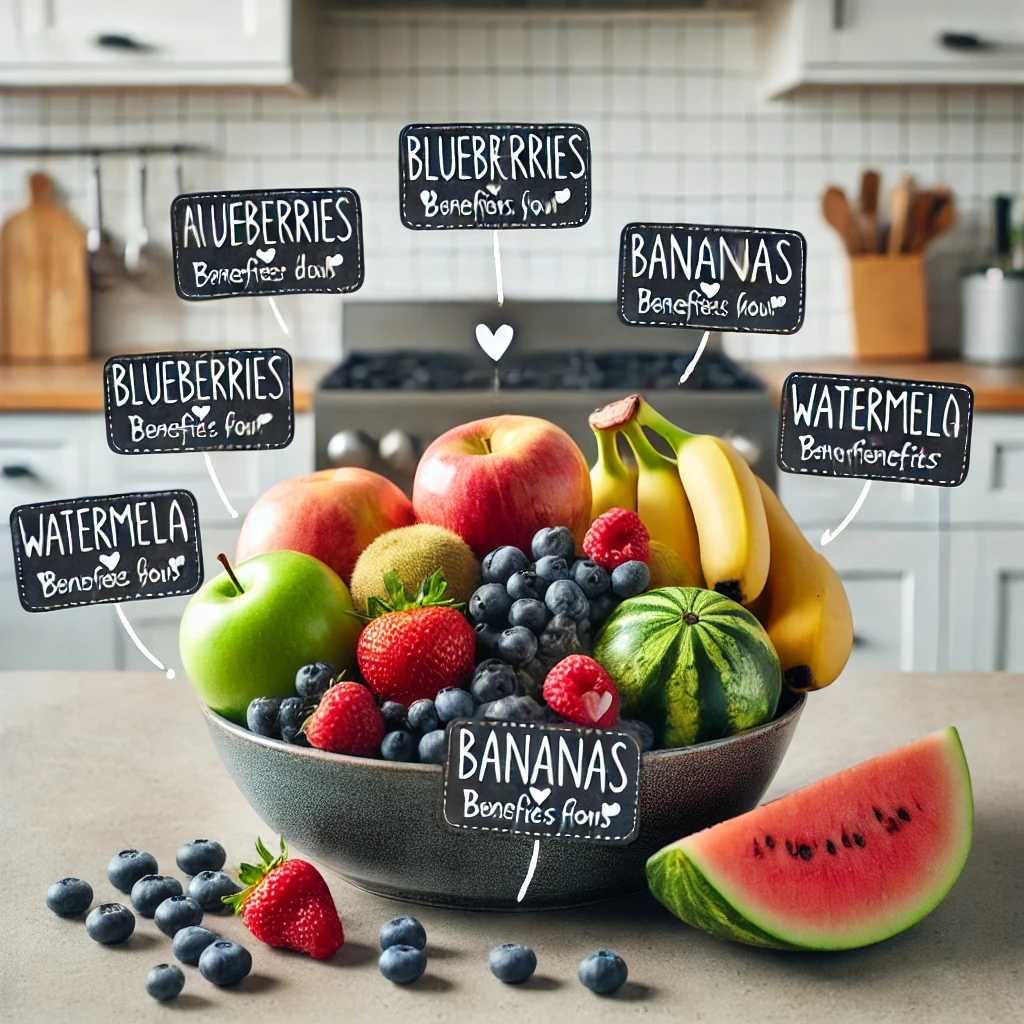
Many fruits are good for dogs because they provide essential vitamins, fiber, and antioxidants. Blueberries, for example, are loaded with antioxidants that help fight inflammation and support brain health—making them a perfect snack for older dogs. Watermelon is another winner, offering hydration and vitamins A, C, and B6, but make sure to remove the seeds and rind to avoid digestive issues.
Even bananas, which my daughter happily shares with our Labrador, can be a solid treat in moderation. They’re rich in potassium and fiber, but because they’re high in sugar, they should be given sparingly—think of them as the dog equivalent of a dessert.
The Bad: When Fruit Becomes a Problem
While some fruits can be a great addition to a dog’s diet, others can cause digestive upset, weight gain, or even toxicity. For example, plums contain pits that can block intestines and release cyanide—a risk you don’t want to take. And if you’ve ever asked, Can you feed dogs grapes?—the answer is a hard no. Grapes and raisins are highly toxic to dogs and can lead to sudden kidney failure, even in small amounts.
The Bottom Line
Dogs can eat fruits and vegetables, but not all are safe. It’s important to introduce new foods slowly, watch for reactions, and stick to the safe options. And when in doubt? Always check with your vet before handing over that fruit salad.
Safe Fruits for Dogs: The Best Options and How to Serve Them
If you’ve ever caught your dog eyeing your fruit bowl like it’s an all-you-can-eat buffet, you might have wondered: What type of fruits can dogs eat safely? The good news is that many fruits are not only safe but can also provide some impressive health benefits. The bad news? Just because a fruit is safe doesn’t mean you should let your dog gorge on it like it’s their last meal.
Some fruits are packed with vitamins, fiber, and hydration, while others are high in sugar or pose choking hazards. Let’s break down the best options and how to serve them properly.
Common Safe Fruits for Dogs and Their Benefits
Here are some of the best fruits good for dogs and why they deserve a place (in moderation) in your pup’s diet.
- Bananas – These are a great source of potassium, fiber, and vitamin B6. They can aid digestion and provide a quick energy boost. But because they’re high in sugar, they should be given in small amounts. Think of them as the occasional “treat” rather than a daily snack. Is it ok for dogs to eat bananas? Yes, but no more than a few small slices.
- Blueberries – Loaded with antioxidants, these tiny berries help reduce inflammation and support cognitive function, especially in older dogs. If you’ve ever wondered, Are dogs allowed to eat blueberries? the answer is a definite yes. Just don’t overdo it—too many can lead to digestive upset.
- Watermelon – A fantastic fruit for hydration, especially in hot weather. Watermelon is rich in vitamins A, B6, and C. Just be sure to remove the seeds and rind before feeding. If you’ve been asking, Can dogs eat watermelon?—yes, but seedless and in moderation.
- Apples – A crunchy, fiber-rich snack that helps clean your dog’s teeth while providing vitamins A and C. Just make sure to remove the seeds and core, as they contain small amounts of cyanide.
- Strawberries – These little red gems contain vitamin C and fiber, but they’re high in sugar, so they should only be an occasional treat. If you want to spoil your dog, mash a strawberry into their food instead of handing them a whole one.
Lesser-Known Safe Fruits for Dogs
- Asian Pears – Low in calories but high in fiber and vitamin C, these are a great snack if served in small, peeled chunks. If you’ve been wondering, Can dogs have Asian pears?—yes, just don’t let them eat the seeds.
- Cantaloupe – Another hydrating fruit that provides plenty of beta-carotene, good for skin and eye health. Like watermelon, remove the seeds and rind before serving.
- Cranberries – While they can be a bit tart, cranberries contain antioxidants and can support urinary health. Avoid the dried version, as it often contains added sugar.
- Mangoes – Full of vitamins A, B6, and E, mangoes are a tasty treat when given in small amounts. Always peel them and remove the large pit, which can be a choking hazard.
- Pineapple – This tropical fruit has enzymes that aid digestion, but because it’s high in sugar, keep portions small. As always, remove the tough outer skin and core.
How to Serve Fruits to Dogs Safely
Even safe fruits can be dangerous if served incorrectly. Here are a few guidelines to follow:
- Remove seeds, pits, and tough skins – Many seeds and pits contain cyanide or can cause intestinal blockages.
- Cut fruits into bite-sized pieces – Large chunks can be a choking hazard, especially for smaller dogs.
- Limit portions – Too much fruit can lead to upset stomachs, diarrhea, or weight gain.
- Introduce new fruits gradually – Some dogs may have sensitivities to certain fruits, so test a small amount first.
For a deeper dive into dog nutrition, check out this AKC guide on safe and unsafe fruits for dogs. It’s always best to double-check before letting your dog snack on something new.
Fruits That Are Toxic to Dogs: What to Avoid at All Costs
If you’ve ever had a dog, you know they’ll eat just about anything if given the chance—including things they absolutely shouldn’t. My Labrador once tried to steal a grape from my son’s plate, which sent me into full panic mode because, as I quickly learned, grapes are one of the most toxic foods for dogs. That little moment of thievery could have landed us at the emergency vet.
Not all fruits are dog-friendly, and some can be downright dangerous. So, before you share your fruit salad with your furry friend, let’s go through the list of fruits that should never be on their menu.
Highly Toxic Fruits for Dogs (Avoid at All Costs!)
These fruits aren’t just bad for dogs—they can cause serious health issues, even in small amounts.
- Grapes & Raisins – If you take nothing else from this article, remember this: Never give your dog grapes or raisins. Even one or two can lead to sudden kidney failure. Scientists aren’t entirely sure why they’re so toxic, but the risk is real. If your dog eats even a small amount, contact your vet immediately.
- Cherries – While the flesh itself isn’t highly toxic, the pits, stems, and leaves contain cyanide, which is dangerous for dogs. Plus, swallowing a whole cherry can be a choking hazard. It’s best to avoid them altogether.
- Plums – If you’ve ever wondered, Can dogs eat plums? the answer is no. Like cherries, plums have pits that contain cyanide, and the flesh can cause digestive upset. In large amounts, it can be lethal.
- Avocados – While we humans love our avocado toast, avocados contain a toxin called persin, which can be harmful to dogs. The biggest danger, though, is the large pit, which can cause a fatal blockage if swallowed.
Fruits That Can Be Harmful in Certain Situations
Some fruits aren’t necessarily toxic, but they come with risks that make them a poor choice for dogs.
- Mandarins, Oranges, and Other Citrus Fruits – Can puppies eat mandarins? Technically, yes, but citrus fruits are high in acid and sugar, which can lead to stomach upset and diarrhea. Some dogs may tolerate them in small amounts, but they’re not worth the risk.
- Peaches & Nectarines – While the fruit itself isn’t toxic, the pits contain cyanide, and even if your dog doesn’t crack it open, the hard pit poses a serious choking hazard.
- Coconut – Some sources say coconut is safe, while others warn that it can cause digestive issues. The high-fat content can lead to upset stomachs, and coconut water is too high in potassium for dogs. It’s best to play it safe and skip it.
- Tomatoes – This one is controversial. Ripe tomatoes are generally safe in small amounts, but the leaves and stems contain solanine, which is toxic to dogs. If your dog has a habit of raiding your vegetable garden, keep them away from tomato plants.
Signs of Fruit Toxicity in Dogs
If your dog accidentally eats one of these dangerous fruits, look out for these symptoms:
- Vomiting
- Diarrhea
- Lethargy
- Loss of appetite
- Difficulty breathing
- Seizures
If you notice any of these signs, contact your vet immediately or call a pet poison control center, such as the ASPCA Animal Poison Control or Pet Poison Helpline.
When in Doubt, Leave It Out
There’s no shortage of fruits good for dogs, but there’s also a long list of dangerous ones. If you’re ever unsure, don’t take the risk. A quick search or a call to your vet can save you from a potential emergency.
For a detailed breakdown of toxic foods for dogs, check out this AKC guide on foods dogs should never eat. Keeping your pup safe starts with knowing what not to feed them.
The Controversial Fruits: What Some Say Dogs Shouldn’t Eat (But Might Be Okay)
One thing I’ve learned as a dog owner? Ask five different people if a particular food is safe for dogs, and you’ll get five completely different answers. While some fruits are clearly toxic and others are completely safe, there’s a grey area in between—a handful of fruits that some experts warn against while others say are fine in moderation.
If you’ve ever found yourself wondering, Can dogs eat tomatoes? or Is coconut really that bad?—you’re not alone. Let’s dive into some of the more controversial fruits and whether they belong in your dog’s diet.
Tomatoes: A Garden Treat or a Toxic Gamble?
Tomatoes might just be the most debated fruit when it comes to dogs. The confusion stems from the fact that while ripe tomatoes are generally safe, the green parts of the plant (stems, leaves, and unripe fruit) contain solanine, a compound that is toxic to dogs.
- If you’ve got a tomato-loving pup, a small slice of ripe, red tomato probably won’t do any harm.
- However, green tomatoes, stems, and leaves should be avoided as they can cause digestive issues and, in large amounts, toxicity.
Verdict? Technically safe, but not worth the risk unless you’re 100% sure your dog isn’t eating any green parts.
Coconut: Superfood or Stomach Nightmare?
Coconut is another fruit that divides dog owners. You’ll find some experts praising its antimicrobial properties and lauric acid content, while others warn about digestive issues.
- Coconut flesh is generally safe in small amounts but can cause loose stools due to its high-fat content.
- Coconut water is high in potassium, which can lead to electrolyte imbalances in dogs.
- The shell is a definite no—it’s tough, sharp, and a choking hazard.
Verdict? A little coconut won’t hurt, but it’s not something your dog needs in their diet.
Avocados: Deadly or Overhyped Danger?
Avocados make every list of toxic foods for dogs, but the truth is a little more nuanced. The main concern is persin, a fungicidal toxin found in the leaves, skin, and pit. While large amounts of persin can be dangerous, the flesh of a ripe avocado contains very little of it.
The bigger concern? The pit. If swallowed, it can cause a serious blockage. Plus, avocados are high in fat, which could lead to pancreatitis in sensitive dogs.
Verdict? Technically, the flesh isn’t as toxic as people think, but the risks (choking, digestive upset, high fat content) outweigh the benefits.
Mango Skin: Edible or Irritating?
Mangoes are safe for dogs, but the skin contains urushiol—the same compound found in poison ivy. Some dogs tolerate it just fine, while others may develop skin irritation or an upset stomach.
Verdict? Peel the mango, remove the pit, and give it in moderation. No one wants an itchy dog rolling around on the carpet.
Papaya itself is a great fruit for dogs, packed with digestive enzymes and fiber. But the seeds contain trace amounts of cyanide and could cause digestive upset. Some holistic pet owners swear by papaya seeds as a natural dewormer, but vets generally recommend avoiding them.
Verdict? Skip the seeds. If your dog needs deworming, go with something vet-approved.
How to Safely Introduce Fruits to Your Dog’s Diet
If you’ve ever introduced a new food to your dog, you know the drill. First, they sniff it like a highly trained bomb squad. Then, they give you a look as if to say, Are you sure this is food? Finally, they either gobble it up or walk away in utter disappointment.
The truth is, just because a fruit is safe for dogs doesn’t mean every dog will tolerate it well. Some will love blueberries, while others might turn their nose up at them. More importantly, a fruit that’s fine for one dog could lead to stomach upset in another. That’s why introducing new fruits slowly and carefully is key.

Step 1: Start Small and Observe
When trying out a new fruit, give your dog a tiny portion first. Think a single blueberry, a small piece of banana, or a thin slice of apple. Then, wait and watch for at least 24 hours.
Signs that your dog is handling the fruit well:
✔ Normal digestion (no vomiting or diarrhea)
✔ No excessive itching or scratching (allergic reactions are rare but possible)
✔ They actually enjoy eating it
Signs that the fruit isn’t a good fit:
✖ Loose stool or diarrhea
✖ Vomiting
✖ Gas that could clear a room
✖ Unusual lethargy or restlessness
If your dog has a sensitive stomach, stick to bland fruits like apples, bananas, and blueberries, and avoid anything citrusy or overly fibrous.
Step 2: Balance is Key – Don’t Overdo It
While it’s tempting to give your pup a handful of fruit as a snack, remember that dogs aren’t built to eat large amounts of fruit. Their digestive systems are designed for protein-heavy diets, and too much fruit can lead to weight gain, blood sugar spikes, or digestive upset.
A good rule of thumb? Fruits should make up no more than 10% of your dog’s daily diet.
For example:
- Small dogs (under 20 lbs): A couple of small fruit pieces per day
- Medium dogs (20-50 lbs): A few slices or a tablespoon of chopped fruit
- Large dogs (50+ lbs): A small handful of fruit, but spread throughout the day
If your dog is prone to weight gain, go for low-calorie, low-sugar fruits like blueberries and watermelon. If they’re highly active, you can occasionally mix in bananas or mangoes for an energy boost.
Step 3: Prepare Fruits Properly
Before tossing a piece of fruit to your dog, take a second to prep it correctly. Some fruits are only safe if served the right way.
Do’s:
✔ Wash thoroughly – Just like with human food, wash off any pesticides or dirt.
✔ Remove seeds, pits, and cores – Apple seeds, cherry pits, and plum stones contain cyanide. Even large, non-toxic pits can cause blockages.
✔ Cut into bite-sized pieces – This helps prevent choking, especially for smaller dogs.
Donts’:
✖ No canned or dried fruit – These often contain added sugars or preservatives that aren’t dog-friendly.
✖ No fruit juices – Too much sugar, zero fiber. It’s all downside.
✖ No fruit skins with possible irritants – Mango and papaya skins contain compounds that can irritate your dog’s stomach.
Step 4: Monitor for Allergic Reactions or Sensitivities
While rare, some dogs can have allergic reactions to fruit. This is why it’s best to introduce new foods one at a time. If you mix multiple fruits and your dog has a reaction, you won’t know which one was the culprit.
Common signs of a fruit allergy in dogs:
- Itchy skin or excessive licking
- Swelling around the face or paws
- Red, irritated ears
- Gastrointestinal issues like vomiting or diarrhea
If you notice any of these symptoms, stop feeding the fruit immediately and consult your vet.
Step 5: Make It Fun – Creative Ways to Give Your Dog Fruit
Dogs love variety, and there are plenty of creative ways to serve fruit beyond just handing them a slice.
Try these ideas:
- Frozen fruit treats: Freeze small pieces of banana, blueberries, or watermelon for a refreshing summer snack.
- Mix into their food: Add a few small fruit pieces to their regular kibble for extra flavor and nutrients.
- DIY fruit and yogurt dog treats: Blend plain, unsweetened Greek yogurt with blueberries or strawberries, freeze in small molds, and serve as a special treat.
- Stuff a Kong: Mash some banana inside a Kong toy for a long-lasting snack that keeps them busy.
If you’re into DIY dog treats, this YouTube tutorial on homemade fruit treats for dogs is worth checking out.
Final Thoughts: When in Doubt, Check with Your Vet
While many fruits are safe for dogs, every dog reacts differently. Start slow, watch for reactions, and always prep fruit properly. And if you’re ever unsure, check with your vet before introducing something new.
For a full list of safe and unsafe fruits, the American Kennel Club’s guide on fruit for dogs is a great reference. Keeping your pup’s diet balanced and safe is the best way to keep them happy, healthy, and out of the emergency vet’s office.
Research and References
Below are the authoritative sources, studies, and videos that contributed to the information in this article. These references provide additional insights into which fruits are safe for dogs, which should be avoided, and the best ways to introduce new foods into your dog’s diet.
American Kennel Club (AKC) – Fruits Dogs Can and Can’t Eat
- A comprehensive guide to safe and unsafe fruits for dogs, with nutritional benefits and risks outlined by veterinary professionals.
ASPCA Animal Poison Control – Toxic Foods for Dogs
- Detailed information on which foods (including fruits) are toxic to dogs and what symptoms to watch for in case of poisoning.
VCA Animal Hospitals – General Feeding Guidelines for Dogs
- Insights into which fruits and vegetables provide health benefits for dogs and which should be avoided.
Scientific Studies and Articles on Fruit in Dog Diets
Wiley – Role of Plant Based Ingredients in Canine Nutrition
- A study discussing how certain fruits and vegetables contribute to health and antioxidant levels in dogs.
National Library of Medicine – Toxicology of Foods in Domestic Animals
- Covers food toxicology in pets, including fruits that can lead to poisoning and metabolic imbalances.
Educational Videos on Feeding Fruits to Dogs
5 Fruits and Vegetables Your Dog Should Never Eat (YouTube)
- A veterinarian breaks down the safest and most dangerous fruits for dogs, explaining portion sizes and health benefits.
5 Healthy Homemade Frozen Dog Treats (YouTube)
- A step-by-step guide on making frozen dog treats using dog-friendly fruits like bananas, blueberries, and watermelon.