
I won’t sugarcoat it, buying a house in foreclosure can be either the best deal of your life or a complete nightmare. It’s like finding a designer jacket at a thrift store for $20… only to realize later it has a ripped lining and smells like someone’s basement.
When I first looked at foreclosure homes for sale, the low prices had me dreaming of a budget-friendly mansion. But then came the reality: hidden costs, legal headaches, and the “as-is” clause (meaning if the roof collapses, that’s on you). So, is it worth the gamble?
In this guide, I’ll break down how to buy a foreclosed home, the risks, and the steps to avoid costly mistakes. If you’ve ever wondered, “Should I buy a foreclosure house?”, stick around—I’ve done the research so you don’t have to.
What Is a Foreclosed Home? Understanding the Process Before You Buy
If you’ve ever seen a house listed at an unbelievably low price and thought, What’s the catch?, chances are it was a foreclosed home. These properties belong to banks or lenders because the previous owners couldn’t keep up with their mortgage payments. Sounds like a steal, right? Well, not so fast.
There are three main types of foreclosure properties, and knowing the difference is key before jumping in.
1. Pre-Foreclosure: The “Act Fast” Opportunity
A home in pre-foreclosure means the owner has missed payments, and the bank has started the legal process. At this stage, you can sometimes buy the property directly from the homeowner before it hits auction. This can be a great deal if the owner is eager to sell, but it also means negotiating fast and possibly dealing with a distressed seller. Websites like Zillow and Realtor.com have dedicated sections for these listings.
2. Auction Foreclosures: The High-Stakes Gamble
Foreclosure auctions can be thrilling—if you like taking risks. Properties are often sold sight unseen, meaning you’re bidding on a house you might never have stepped foot in. No inspections, no guarantees, and no chance to negotiate repairs. And here’s the kicker: you usually need cash upfront. If you’re considering this route, check your county courthouse listings or platforms like Auction.com.
3. Bank-Owned (REO) Properties: The Safe Bet
If you prefer less drama, bank-owned homes for sale (also known as real estate owned (REO) properties) might be your best option. These homes have already been through foreclosure, didn’t sell at auction, and are now owned by the bank. While they’re often priced below market value, expect competition from investors. The good news? You can inspect the home, finance it with a mortgage, and negotiate repairs—something you can’t do with auction properties.

How to Find Foreclosed Homes for Sale Without Wasting Time
When I first started looking at foreclosure homes for sale, I thought it would be as easy as scrolling through Zillow and picking the best-looking house at half price. Turns out, it’s not quite that simple. Some listings are outdated, others have already been snatched up by investors, and then there are those houses that look like they starred in a horror movie.
So, if you’re serious about buying a house in foreclosure, you need to know where to look.
1. Online Foreclosure Listings: The Fastest Option
Your best bet for finding bank-owned homes for sale is through reputable real estate websites. Some of the most reliable sources include:
- Zillow Foreclosures – Good for general listings.
- Foreclosure.com – Paid subscription, but more up-to-date.
- HUD Homes – Government-owned foreclosure listings.
These sites can help you find properties at various price points, including foreclosed homes under $10,000 (yes, they exist, but they often need serious work).
Not all foreclosed homes make it to public listings. Some banks sell their REO (real estate owned) properties directly, meaning you can skip the competition. Visit local bank websites or call their foreclosure department to ask about available properties.
3. Courthouse Auctions: High Risk, High Reward
Foreclosure auctions can be a great place to find deals—if you know what you’re doing. The downside? You often need cash upfront, and you might not get to see inside the home before bidding. Check your county’s auction listings for upcoming sales.
4. Work With a Foreclosure Specialist
Not all real estate agents specialize in foreclosures, but the ones who do can help you navigate the process, spot red flags, and negotiate with banks. They often have access to pre-market foreclosure homes that aren’t widely advertised.
Steps to Buying a Foreclosed Home Without Costly Mistakes
If you’ve ever tried assembling furniture without reading the instructions, you already know what it’s like to dive into buying a house in foreclosure unprepared. It seems straightforward—low price, quick sale, done. But just like that bookshelf you put together upside down, skipping steps can lead to a disaster.
To help you avoid costly mistakes, here’s a step-by-step guide on how to buy a foreclosed home the right way.
Step 1: Set Your Budget and Secure Financing
Before you start browsing foreclosure homes for sale, figure out how much you can afford. Unlike traditional home purchases, some foreclosures require cash payments, especially auctioned properties. If you’re not rolling in spare cash, consider:
- Conventional mortgages (for bank-owned homes).
- FHA 203(k) renovation loans (for fixer-uppers).
- Fannie Mae HomePath loans, which offer perks like low down payments.
Get pre-approved before making an offer—banks won’t wait while you scramble for financing.
Step 2: Research and Inspect the Property
Here’s the biggest risk with foreclosed homes under $50,000: you might get a great deal, or you might end up with a property that’s one strong wind away from collapsing.
- Check public records for unpaid taxes or liens.
- Drive by the property—is the roof caving in? Windows smashed? A family of raccoons living inside?
- Hire a home inspector (if possible) to assess damage before buying.
If you’re buying at auction, inspections aren’t usually an option, so you’ll need to rely on property history reports from sites like RealtyTrac.
Step 3: Make an Offer (Or Bid at Auction)
- For bank-owned homes, make an offer through a real estate agent.
- For auction properties, show up with cash and nerves of steel.
- For pre-foreclosures, negotiate directly with the homeowner before the bank takes over.
The closing process on foreclosures can take longer than a regular home purchase. Be prepared for:
- Title searches (to make sure you’re not inheriting old debts).
- Repair costs (banks sell these homes as-is).
- Higher closing fees compared to standard home purchases.

Pros and Cons of Buying a Foreclosed Home
Buying a foreclosed home is a bit like online dating. On paper, everything looks great—the price is low, the house has “potential,” and you might even land a hidden gem. But then you show up and realize the photos were taken ten years ago, the foundation is questionable, and the “charming fixer-upper” actually means bring a bulldozer.
So, is buying a house in foreclosure worth it? Let’s break down the pros and cons.
Pros: Why Foreclosures Can Be a Smart Buy
✅ Lower Prices: Foreclosures are usually priced below market value, making them attractive to buyers looking for a deal. If you’re patient, you can find bank-owned homes for sale that need minimal work.
✅ Equity Potential: Because you’re buying at a discount, you can build equity faster, especially if you renovate smartly. Some investors buy foreclosed homes under $50,000, make improvements, and resell for a solid profit.
✅ Less Competition (Sometimes): While investors snap up good deals, some foreclosures—especially tax foreclosure homes for sale—fly under the radar, giving you a shot at homeownership without a bidding war.
Cons: What Can Go Wrong?
❌ As-Is Condition: Banks aren’t in the business of fixing up homes. Many foreclosures come with damage, missing appliances, or even former owners who refuse to leave.
❌ Hidden Costs: Unpaid taxes, liens, or structural repairs can turn your bargain into a budget buster. Always check property records before making an offer.
❌ Complicated Buying Process: Unlike traditional home sales, buying a foreclosure involves more paperwork, red tape, and potential delays—especially if it’s in an auction or government sale.
How Much Do Foreclosed Homes Cost? Understanding the Price Brackets
If you’ve ever browsed foreclosure listings, you’ve probably seen some jaw-droppingly low prices. Foreclosed homes under $10,000? Sounds like a dream, right? Well, maybe—if you’re in the market for a roofless shack or a property that comes with a family of raccoons as tenants.
Foreclosures come in all price ranges, and what you get for your money depends on location, condition, and market demand. Here’s what you need to know.
1. Foreclosed Homes Under $10,000 – The Bargain Bin
Yes, homes in this price range exist, but they usually need serious work. Many are located in rural areas or distressed neighborhoods. Expect major repairs—missing plumbing, cracked foundations, or no roof. If you’re a seasoned investor or handy with a toolbox, these can be opportunities for flipping.
- Where to find them: HUD Homes, Auction.com, and county tax foreclosure listings.
- Who buys them? Investors, house flippers, or those willing to put in major sweat equity.
2. Foreclosed Homes Under $20,000 – $50,000 – The Fixer-Uppers
In this range, you’ll find small single-family homes that still need repairs but may be livable. Some are bank-owned homes for sale, meaning you might be able to finance them. Be prepared to invest in renovations.
- Best cities for deals: Detroit, Cleveland, and parts of the Midwest and South.
- Key risks: Tax foreclosure homes for sale in this price bracket may still have unpaid back taxes. Always check liens before purchasing.
3. $50,000 and Up – The Best Balance of Price and Condition
Once you cross the $50,000 mark, you’ll find more move-in ready foreclosures, especially in smaller cities and suburbs. These are great for first-time buyers looking for a deal without committing to a complete renovation.
- Good locations: Foreclosed home for sales in Atlanta, Jacksonville, and Phoenix offer solid foreclosure deals.
- Why buy in this range? More financing options, less risk, and fewer surprises.
Cheap Doesn’t Always Mean Good
While it’s tempting to go for foreclosed homes under $10,000, the real value often lies in properties that require less work. Always factor in renovation costs and hidden fees before assuming a low-priced foreclosure is a bargain. Sometimes, paying a little more upfront can save you thousands in the long run.
Tips for First-Time Foreclosure Buyers: Avoiding Common Pitfalls
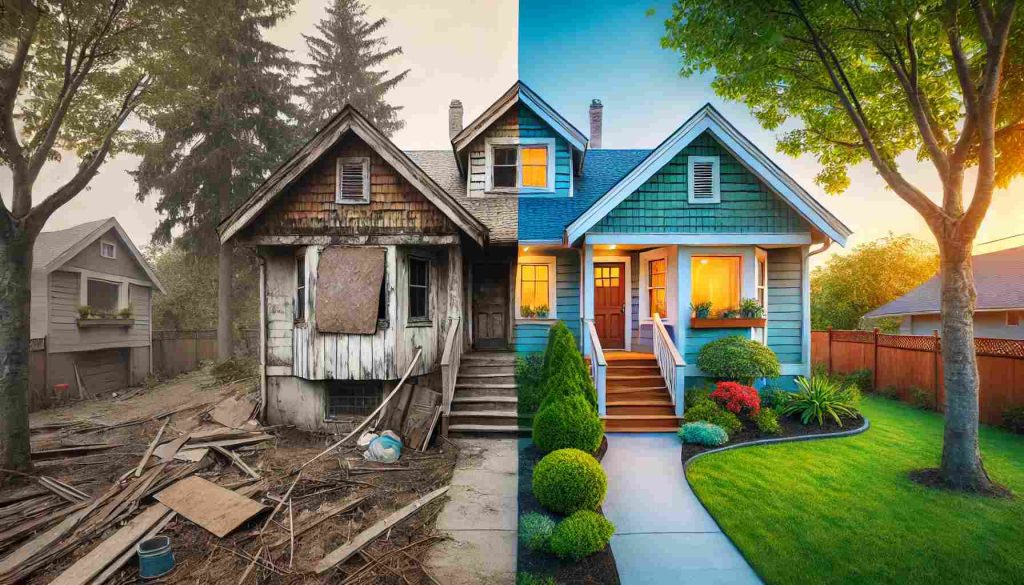
When I first looked at foreclosure homes for sale, I imagined walking into a near-mint-condition home, tossing my bags down, and calling it a steal. Reality check: most foreclosed properties don’t come with that fresh “just moved in” feeling. More often, they come with missing appliances, peeling paint, and the distinct sense that the previous owner left in a hurry (sometimes taking the kitchen sink with them—literally).
So, if you’re new to buying a house in foreclosure, here are some hard-earned lessons to keep you from making expensive mistakes.
1. Get Pre-Approved Before You Start Shopping
Foreclosures move fast. Banks won’t wait around while you figure out financing, so getting pre-approved for a mortgage gives you an edge. If you’re going the cash route, make sure you’ve got proof of funds ready.
2. Never Buy Sight Unseen (Unless You Love Surprises)
Foreclosures are sold as-is, which means no one is fixing that leaky roof or repairing the broken foundation before you move in. If you can, inspect the property or at least do a drive-by to get a sense of what you’re dealing with. If you’re buying at auction, check public records for any red flags.
3. Research Local Foreclosure Laws
Some states have redemption periods, meaning the previous owner could reclaim the home even after you buy it. Always check state-specific foreclosure laws before making an offer.
4. Work With an Agent Who Knows Foreclosures
Not all real estate agents specialize in distressed properties. A foreclosure specialist can help you navigate paperwork, negotiate with banks, and spot hidden costs before you commit.
Alternative Ways to Buy Affordable Homes (Without the Foreclosure Hassle)
If you’ve made it this far and are thinking, Maybe foreclosures aren’t for me, I get it. They’re not always the magical bargain they seem. But don’t worry—there are still plenty of ways to buy a home without breaking the bank (or dealing with a house that looks like it’s straight out of a horror movie).
1. Short Sales: A Less Stressful Alternative
Short sales happen when homeowners sell their property for less than they owe on their mortgage—with the lender’s approval. These can be solid deals, especially since many homes are in better condition than foreclosures. The downside? Banks take forever to approve short sales, so patience is required.
2. Government-Backed Programs for Cheap Homes
There are several programs aimed at helping buyers get affordable housing:
- HUD Good Neighbor Next Door: Huge discounts for teachers, firefighters, and law enforcement.
- USDA Loans: No down payment needed for homes in eligible rural areas.
- VA Loans: A great option for veterans looking for low-cost financing.
3. Rent-to-Own Deals
If your credit isn’t where it needs to be or you’re not quite ready for a mortgage, a rent-to-own agreement lets you lock in a purchase price while renting. These can be found on local real estate listings or through specialized services like Home Partners of America.
There’s More Than One Path to Affordable Homeownership
Foreclosures aren’t the only way to find a budget-friendly home. Whether it’s a short sale, government program, or rent-to-own deal, there are options that don’t involve the risks of buying a distressed property. The key? Know your options and choose the path that makes the most sense for you.
Conclusion: Is Buying a Foreclosed Home Worth It?
So, after all this, the big question remains: Should I buy a foreclosure house? Well, that depends.
If you’re patient, financially prepared, and have a solid understanding of what you’re getting into, a foreclosure can be a great deal. Whether you’re looking at bank-owned homes for sale, tax foreclosure homes, or even foreclosed homes under $50,000, there are opportunities to save money—if you do your homework.
But if you expect a hassle-free home-buying experience, you might want to look elsewhere. Foreclosures come with risks, and without due diligence, your “bargain” could turn into a money pit.
The best advice? Do your research, work with professionals, and be realistic about costs. Whether you’re a first-time homebuyer or an investor, buying a foreclosure can be a smart move—just make sure you’re prepared for the challenges.
Looking for more guidance? Check out foreclosure listing sites and talk to a real estate professional who specializes in distressed properties. A little preparation now can save you from major regrets later.
Research and References
Below are the authority sources, articles, research studies, and videos that helped shape this article. These resources provide further insights into buying a foreclosed home, foreclosure laws, financing options, and the risks and benefits involved.
1. Foreclosure Listings and Market Trends
- Zillow Foreclosures – Up-to-date foreclosure listings and pricing trends.
- Realtor.com Foreclosure Center – Find and purchase foreclosure properties.
- HUD.gov Foreclosed Homes – Official U.S. government foreclosure listings.
- Auction.com – Live and online foreclosure auctions.
- RealtyTrac – Research on foreclosure market trends.
2. Understanding Foreclosure Laws and Risks
- National Consumer Law Center – Guide to Foreclosure Laws – Information on foreclosure redemption periods and legal rights.
- Investopedia – Top Pitfalls of Buying a Foreclosed Home – A breakdown of the most common pitfalls for foreclosure investments.
- Consumer Financial Protection Bureau – Foreclosure Avoidance – Homeowner rights and alternatives to foreclosure.
3. Financing Foreclosures and Alternatives
- Fannie Mae HomePath – Foreclosure-specific financing options.
- USDA Rural Development Loans – No down payment loans for eligible rural properties.
4. Videos for Additional Learning
- YouTube: How to Buy a Foreclosure – Step-by-Step Guide – A detailed breakdown of the foreclosure process.
- YouTube: Foreclosures vs. Short Sales – Which Is Better? – A side-by-side comparison of foreclosure vs. short sale.
- YouTube: Hidden Costs of Buying a Foreclosed Home – A video on unexpected costs in foreclosure purchases.