
Do Home Air Purifiers Really Work? The Truth About Indoor Air Quality
I never thought much about the air inside my home—until my Labrador, Max, decided shedding was his full-time job. Add in two teenagers with seasonal allergies, and suddenly, I found myself Googling what is the best home air purifier at 2 AM, eyes watering from either pollen or exhaustion.
Turns out, our homes are full of airborne culprits—dust, pet dander, mold spores, and even the invisible nasties like VOCs. And if you think opening a window solves the problem, welcome to Atlanta in the summer. No thanks.
That’s when I started digging into household air cleaners, from high-tech HEPA filters to USB air purifiers small enough to sit on my desk. But do they actually work, or are they just expensive fans with a fancy marketing spin? Let’s break it down.
I used to think air pollution was something you worried about outside—car exhaust, factory smoke, that weird haze over the city on hot summer days. But then I learned that indoor air can be up to five times more polluted than outdoor air. Five times! And here I was, thinking closing the windows kept the bad stuff out.
What’s Floating Around in Your Home?
Let’s talk about the invisible offenders in your home’s air supply. You might not see them, but they’re there, lurking like uninvited guests at a dinner party:
- Dust & Pet Dander: If you have a pet, congratulations—you also have tiny airborne fur bombs floating around. Max, my Labrador, sheds enough to build a second dog every week.
- Mold Spores: Atlanta’s humidity makes it a breeding ground for mold. Even if your house looks spotless, mold spores can still be hanging around, causing allergies and respiratory issues.
- Volatile Organic Compounds (VOCs): These nasty chemicals come from everyday household products—paint, cleaning sprays, even some furniture. You know that “new car” or “fresh paint” smell? Turns out, that’s not so great for your lungs.
- Bacteria & Viruses: If you’ve ever had one kid come home with a cold, only for the entire house to be sneezing two days later, you already know how airborne germs spread.
Why Should You Care?
Bad air quality isn’t just about sneezing and itchy eyes. Long-term exposure to indoor pollutants can lead to headaches, fatigue, asthma, and in extreme cases, even chronic respiratory diseases. According to the EPA, indoor air pollution is a top five environmental risk to public health.
What Can You Do About It?
Sure, you can vacuum every day and live in a bubble, but an easier fix is investing in air cleaners for the home. A high-quality HEPA air filter can capture up to 99.97% of airborne particles, including allergens and fine dust. If you’re always on the move, a travel size air purifier can help keep your personal space clean, whether you’re at the office or in a hotel room.
So, if your house feels stuffy or you’re constantly dealing with allergies, maybe it’s time to take indoor air quality seriously. Because let’s be honest—if my dog’s hair is floating in the air, who knows what else is?

How Do Air Purifiers Work? A Simple Breakdown
I used to think air purifiers were just expensive fans with a fancy name. Then I watched a beam of sunlight pour through my living room window and saw what was actually floating in the air. Dust, pet hair, tiny mystery particles—I stopped questioning why my allergies were acting up and started researching air purifiers instead.
Different Types of Air Purifiers and How They Work
Not all air cleaners for the home work the same way. Some just move air around, while others actually trap and remove pollutants. Here’s the breakdown:
- HEPA Air Filters (High-Efficiency Particulate Air) – These are the gold standard. A HEPA air filter captures 99.97% of particles as small as 0.3 microns, including dust, pollen, and pet dander. If you’ve got allergies or live with a shedding machine like my dog Max, this is what you want.
- Activated Carbon Filters – These target odors, smoke, and VOCs (those nasty chemicals from paint, cleaners, and furniture). If your house sometimes smells like last night’s burnt toast, this could be your fix.
- UV-C Light Purifiers – These zap bacteria and viruses. The idea is simple: germs pass through, get hit with ultraviolet light, and don’t survive. Some hospitals use this technology, but it works best when combined with a HEPA filter.
- Ionizers (or Negative Ion Generators) – Instead of trapping pollutants, these charge airborne particles so they stick to surfaces. Sounds great, until you realize you have to constantly wipe down every surface in your house.
What About Portable or Rechargeable Air Purifiers?
If you’re always on the go, a USB air purifier or air purifier rechargeable option might be worth considering. These compact devices are great for small spaces—your office desk, car, or even hotel rooms when traveling. They won’t filter a whole house, but they can help with local air quality.
Bottom line? If you want truly clean air, go for a HEPA air filter with an activated carbon layer. Anything else is either a bonus—or just blowing air around while you sneeze.
Portable vs. Whole-House Air Purifiers: Which One Do You Need?
When I first started looking into air purifiers, I assumed one small device would magically clean the air in my entire house. Then reality hit: there’s a big difference between a portable air purifier and a whole-house air purification system—and choosing the right one depends on your needs, your space, and how much you enjoy lugging machines from room to room.
Portable Air Purifiers: The Flexible Option
A portable air purifier is great if you want targeted air cleaning in a specific space, like a bedroom, office, or even your car. Here’s why they work for a lot of people:
- They’re affordable. You can get a good one for a couple of hundred bucks instead of spending thousands on a full-home system.
- They’re flexible. Move them from room to room, take them to the office, or pack a travel-size air purifier for hotel stays (especially useful if you’re paranoid about questionable hotel room air).
- They actually work. A HEPA air filter in a portable purifier can remove dust, pet dander, and allergens efficiently—perfect if you suffer from allergies or have pets like my shedding champion, Max.
But, of course, they have downsides. They only clean one room at a time, and depending on the model, you might need to replace filters frequently. Some smaller models, like a USB air purifier, are handy for close-range use but won’t do much beyond your immediate personal space.
Whole-House Air Purifiers: The Heavy-Duty Solution
If you want clean air throughout your entire home, a whole-house air purifier is the way to go. These systems integrate with your HVAC system, filtering air before it circulates.
- They clean everything. Instead of moving a portable unit from room to room, a whole-house system purifies the air in every corner.
- Low maintenance. Many systems only require occasional filter changes, unlike portable units that need frequent upkeep.
- Best for severe allergies or asthma. If air quality is a major health concern, this is the most thorough option.
The biggest downside? Cost. Whole-house systems can range from $1,000 to $5,000, plus installation. If that’s too steep, a combination approach—using a whole-house system for general air cleaning and portable air purifiers for high-traffic areas—might be the best balance.
At the end of the day, if you’re trying to clear the air (literally), a portable air purifier will work for most people. But if you want to breathe easier without constantly moving a machine from room to room, a whole-house system could be worth the investment.
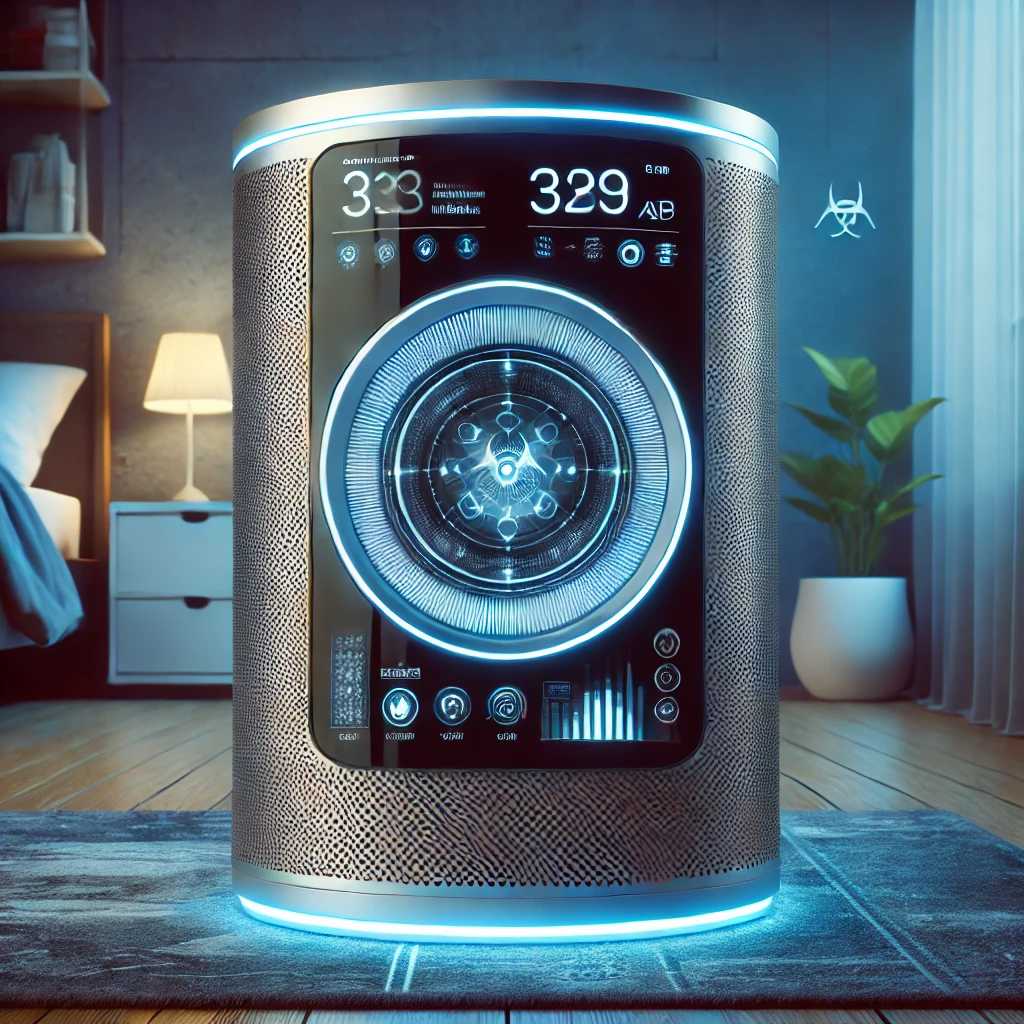
Do Air Purifiers Really Improve Health? What the Science Says
I’ll admit, I was skeptical at first. Could a machine really make a difference in my home’s air quality, or was this just another overhyped gadget? But after a particularly brutal allergy season—where my son and daughter were sneezing like they were in some kind of Olympic event—I decided to dig into the science. Turns out, air cleaners for the home aren’t just glorified fans; they can have a serious impact on your health.
Can Air Purifiers Help With Allergies and Asthma?
If you or someone in your household has allergies, an air purifier with a HEPA air filter can be a game-changer. Research from the American College of Allergy, Asthma & Immunology shows that HEPA filters can capture 99.97% of airborne allergens, including dust mites, pollen, and pet dander. In other words, if Max, my Labrador, insists on filling the house with fur, at least I have a way to keep it out of the air.
Asthma sufferers can also benefit. A study published in the Journal of Asthma found that HEPA air purifiers significantly reduced airborne allergens, leading to fewer asthma flare-ups. Of course, they’re not a cure, but they do make breathing a lot easier—especially when combined with other good habits like vacuuming with a HEPA-filtered vacuum and keeping humidity levels under control.
What About Odors, Smoke, and VOCs?
Ever cooked something so bad that your house smelled like regret for days? I have. That’s where activated carbon filters come in. Unlike HEPA filters (which trap solid particles), activated carbon absorbs gases and odors, making it great for removing cooking smells, cigarette smoke, and volatile organic compounds (VOCs) from paint, cleaning supplies, and new furniture.
Studies from the Environmental Protection Agency (EPA) confirm that activated carbon filtration is effective at reducing VOCs, which can cause headaches, nausea, and long-term health risks. If you live in a city with poor outdoor air quality, a purifier with a carbon filter can also help reduce pollution-related irritants indoors.
Do Air Purifiers Kill Germs and Viruses?
During flu season, anything that promises to reduce airborne germs sounds like a miracle. While some UV-C light air purifiers claim to kill bacteria and viruses, their effectiveness depends on exposure time. According to a study by the National Library of Medicine, UV-C light can deactivate viruses, but only if they’re exposed to it long enough—something most home air purifiers don’t quite achieve.
That said, a high-quality HEPA filter can still trap airborne droplets carrying bacteria and viruses, which means fewer germs floating around your home. No guarantees, but in a house with two teenagers who bring home every possible germ from school, I’ll take any advantage I can get.

DIY & Budget-Friendly Alternatives: Can You Make a Homemade Air Purifier?
When I first looked into air purifiers, I had two thoughts: These things are expensive, and do I really need another appliance taking up space? If you’re in the same boat, you might be wondering if you can make a homemade air purifier instead. The good news? You can. The bad news? It’s not always as effective as a high-quality HEPA air filter, but it’s better than nothing.
The DIY Air Purifier Hack (That Actually Works)
The simplest and most effective DIY air purifier involves a box fan and a HEPA filter—yes, really. Here’s how it works:
- Get a standard box fan (the kind you’d use to cool down a room).
- Buy a high-quality HEPA air filter that fits the fan’s dimensions (rated MERV 13 or higher for best results).
- Secure the filter to the back of the fan using duct tape or bungee cords—yes, this is as high-tech as it gets.
- Turn the fan on and let it pull air through the filter.
Does this look fancy? No. But research from the University of Michigan found that a DIY box fan purifier can remove over 80% of fine particles from the air—making it a surprisingly good option for those on a budget.
Other Natural Ways to Improve Indoor Air Quality
If you don’t want a DIY contraption sitting in your living room, there are other budget-friendly ways to freshen up your home’s air:
- Houseplants: Certain plants like peace lilies, snake plants, and spider plants can absorb toxins. They won’t replace an air cleaner for the home, but they do help.
- Activated Charcoal: This absorbs odors and VOCs. Just place small bowls of it around the house (out of reach of kids and pets).
- Ventilation: Open windows when possible (assuming outdoor air quality isn’t worse than inside).
If you need something portable, a USB air purifier or a travel-size air purifier can be an affordable way to clean the air in small spaces. But if you’re looking to filter out serious pollutants, a DIY setup or a proper HEPA-filtered air purifier is the way to go.
At the end of the day, homemade solutions can work in a pinch, but if you’re dealing with allergies, pets, or smoky air, a real air purifier is worth the investment. Or, you know, you can keep duct-taping filters to every fan in the house.
Choosing the Best Home Air Purifier for Your Needs (Buyer’s Guide)
Shopping for an air cleaner for the home can feel like choosing a new car—too many options, confusing specs, and prices that range from “affordable” to “should I take out a loan?” But if you know what to look for, picking the right one isn’t that hard.
What to Consider When Buying an Air Purifier
Before clicking add to cart, ask yourself these questions:
- What are you trying to filter? If you have allergies or pets, a HEPA air filter is a must. For odors, smoke, or chemical fumes, get one with an activated carbon filter.
- How big is your space? Every purifier has a recommended room size. If you buy a tiny USB air purifier for a large living room, you might as well be using a paper fan. Look for models with a high CADR (Clean Air Delivery Rate) for bigger areas.
- Do you want a portable or whole-house system? If you just need cleaner air in one or two rooms, a portable air purifier is your best bet. For whole-home filtration, look into HVAC-integrated options.
- Maintenance and filter costs? Some purifiers need filter replacements every 6–12 months, and those costs add up. If you don’t want the hassle, look for air purifiers with washable filters.
Best Air Purifiers for Different Needs
- Best for Allergies & Pets: A HEPA air filter model with a high CADR rating—great for removing pet dander and pollen.
- Best for Smoke & Odors: Get one with an activated carbon filter to absorb gases and smells.
- Best for Travel & Small Spaces: A travel-size air purifier or air purifier rechargeable option works for offices, cars, and hotel rooms.
- Best for Large Rooms: Look for purifiers with a high CADR rating and multiple filtration layers.
If you’re feeling lost, sites like Consumer Reports and Wirecutter regularly test and review what is the best home air purifier for different needs. Just remember—no matter how fancy the features, an air purifier only works if you turn it on.
Final Verdict – Are Air Purifiers Worth It?
After diving deep into the world of household air cleaners, I can confidently say that air purifiers aren’t just overhyped gadgets—they actually work. But whether you need one depends on your home, health, and tolerance for dust bunnies.
If you suffer from allergies, asthma, or have a pet that believes every surface should be covered in fur, a HEPA air filter can be life-changing. Studies, like those from the American College of Allergy, Asthma & Immunology, confirm that air purifiers significantly reduce allergens. They’re also great for removing smoke, odors, and VOCs if you invest in one with an activated carbon filter.
But let’s be honest—if your idea of fresh air is opening a window in the middle of summer, or you rarely dust, an air purifier alone won’t fix everything. The best approach? Use a portable air purifier in key rooms and practice good air quality habits, like regular cleaning and ventilation.
So, are they worth it? If you want cleaner air without having to vacuum 24/7, absolutely. If you think they’ll let you skip housework forever, I’ve got bad news.
Research and References
Here are some authoritative sources, studies, and videos that back up the information in this article. These links provide scientific research, expert opinions, and real-world testing on home air purifiers and indoor air quality.
General Air Purifier Effectiveness & Indoor Air Quality
- Environmental Protection Agency (EPA) – Indoor Air Quality Guide
- American College of Allergy, Asthma & Immunology (ACAAI)
Air Purifiers and Health Benefits
- National Library of Medicine Study – Effect of Air Purifiers on Asthma & Allergies
- EPA Report on HEPA, HVAC filters and Coronavirus
DIY & Budget Air Purifier Alternatives
- Dynomight – Study on DIY Box Fan Air Purifiers
- NASA Clean Air Study – Best Houseplants for Air Filtration
Buying Guide & Reviews
- Consumer Reports – Best Home Air Purifiers for 2025
- Rankings and lab-tested results on the best air purifiers
- Wirecutter by The New York Times – Best Air Purifiers
Educational & How-To Videos
- How HEPA Filters Work – Engineering Explained
- DIY Box Fan Air Purifier Build – The Honest Carpenter