
Here I am, researching whether an axolotl pet would be a fun addition to our home. My son recently showed me a picture of what looked like a smiling underwater Pokémon, and the next thing I knew, I was knee-deep in articles about these bizarre, perpetually-young amphibians.
So, what is an axolotl exactly? It’s a type of salamander that never grows up—kind of like that one guy from college who still wears cargo shorts and plays video games all day. Unlike most amphibians, they don’t transition to land, which means they stay in their aquatic larval stage forever. Talk about a permanent case of Peter Pan syndrome!
But before I let my kids talk me into buying one, I had to check: Is it legal to have an axolotl in Atlanta? Turns out, axolotls are banned in some U.S. states (because, of course, the government thinks we can’t be trusted with tiny water dragons). Luckily for us Georgia residents, they’re legal here—for now.
So, are axolotls good pets? Let’s dive in and find out.
What Makes Axolotls Unique?
If you’ve never seen a Mexican axolotl pet, imagine a tiny, smiling alien with feathery gills and a body that looks like it belongs in a sci-fi movie. These little amphibians are unlike anything else in the pet world, and trust me, I’ve owned everything from goldfish to a particularly grumpy bearded dragon.
They Never Grow Up (Literally)
Most amphibians go through a dramatic life change, like how tadpoles turn into frogs. Axolotls, however, just decide they’re good where they are and stay in their larval form forever. This condition, called neoteny, means they keep their external gills, live underwater, and never make the leap to land. Imagine if your teenager never moved out—same concept.
A Superpower You Wish You Had
One of the wildest things about axolotls is their ability to regenerate. If they lose a limb, they just grow it back like it’s no big deal. Even more mind-blowing, they can regenerate parts of their heart, spinal cord, and brain. Scientists have been studying them for years, hoping to unlock their secret for human medicine. If you’re into fascinating science, check out this National Geographic feature on axolotl regeneration.
Wild vs. Captive-Bred Axolotls
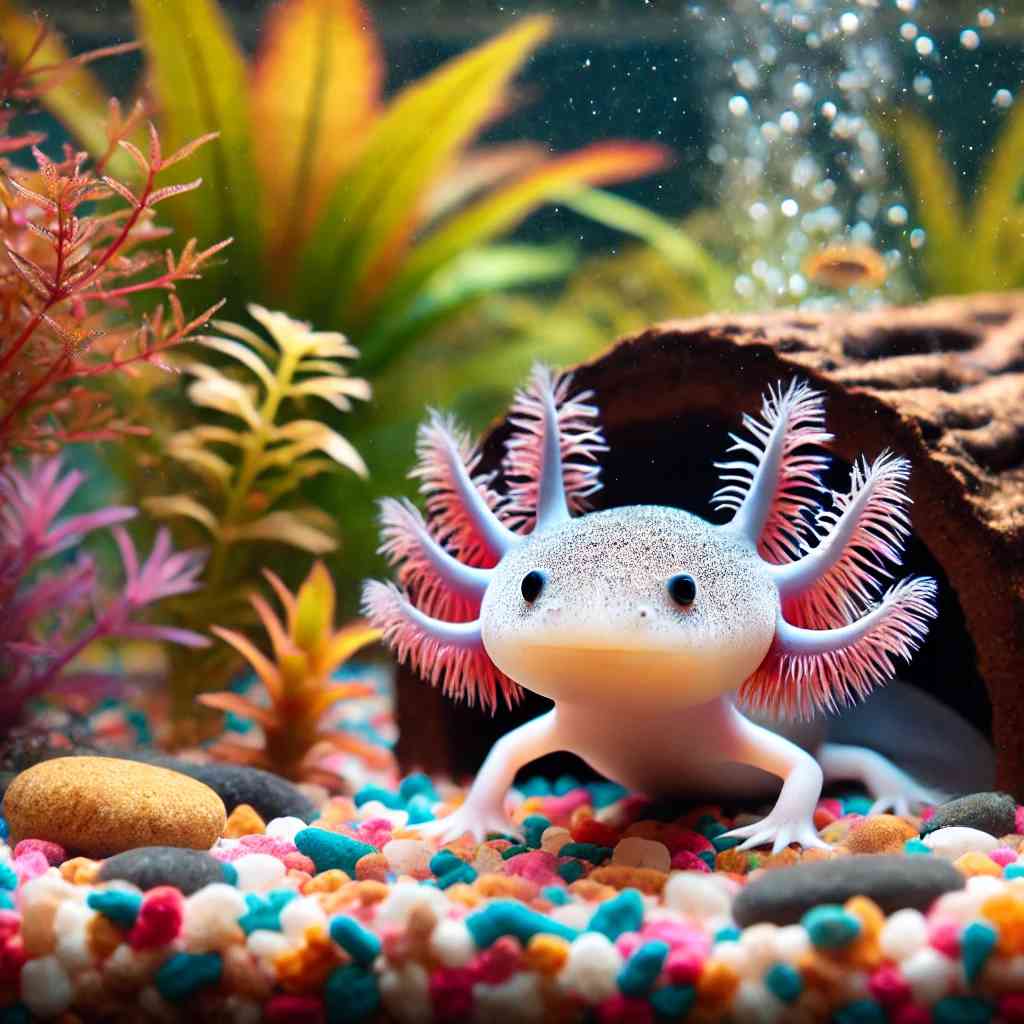
If you’ve ever wondered what a wild axolotl looks like, here’s the bad news: they’re critically endangered. Native to lakes around Mexico City, their numbers have plummeted due to pollution and habitat destruction. The good news? Most pet axolotls are captive-bred, coming in a variety of colors like leucistic (pale pink with black eyes), golden albino, and even deep black.
How They Compare to Other Pets
Unlike fish, axolotls actually have personality. Some will recognize their owners and even beg for food by wiggling up to the glass. But don’t expect them to cuddle like a dog or purr like a cat—they’re strictly a hands-off pet. That being said, they’re far lower maintenance than a reptile or bird, making them a solid choice for exotic pet beginners.
Axolotls might not be for everyone, but they’re definitely one of the most fascinating creatures you can legally keep in your home. Up next: can you own an axolotl in Atlanta, or is it one of those axolotl illegal states? Let’s find out.

Are Axolotls Legal in Atlanta & the U.S.?
Before you rush out to buy a Mexican axolotl pet, you need to check whether you can legally own one. Some states have decided that axolotls are a potential ecological disaster waiting to happen. Because, of course, the government assumes we’re all one bad decision away from dumping our exotic pets into the nearest lake.
Is It Legal to Have an Axolotl in Atlanta?
Good news for Georgia residents—yes, you can legally own an axolotl in Atlanta. There are no state laws prohibiting them, so if you’re in the Peach State, you’re in the clear. However, just because they’re legal doesn’t mean they’re available at every pet store. You’ll likely need to order from a breeder, and if you do, make sure they’re reputable.
Axolotl Illegal States: Where Are They Banned?
While axolotls are legal in Georgia, they’re banned in several U.S. states, including California, Maine, New Jersey, and Virginia. The reason? Officials worry that if released into the wild, axolotls could outcompete native species or spread disease. Considering how badly humans have messed up ecosystems with invasive species (looking at you, Burmese pythons in Florida), I can see why they’re cautious.
If you’re in a state where axolotls are illegal, don’t try to sneak one in. Wildlife authorities don’t take kindly to exotic pet smugglers. If you’re unsure about local laws, check with your state’s Department of Natural Resources before making a purchase.
Why Are Some States So Strict About Axolotls?
States that have banned axolotls cite two main concerns:
- Environmental Risks – If an axolotl escapes or gets released into local waters, it could disrupt native amphibian populations.
- Disease Transmission – Wild axolotls and captive-bred ones can carry diseases like chytrid fungus, which devastates amphibians worldwide.
How to Legally Own an Axolotl
If you’re lucky enough to live in a state where axolotls are legal, follow these steps to ensure a smooth purchase:
- Buy from a reputable breeder. Avoid illegal imports or sketchy pet stores.
- Check city and county regulations. Even if your state allows them, some cities may have restrictions.
- Never release an axolotl into the wild. If you can no longer care for it, contact an exotic pet rescue.
Before you commit, ask yourself: are axolotls good pets for your lifestyle? Let’s break down the pros and cons next.

Are Axolotls Good Pets? Pros & Cons
If you’ve ever had a pet that required a full-time commitment (looking at you, Labrador who needs four walks a day), the idea of an easygoing, water-dwelling creature like an axolotl might sound appealing. But before you bring home your own Mexican axolotl pet, let’s talk about whether they actually make good pets—or if you’ll regret it the first time you have to clean their tank.
The Good: Why Axolotls Are Awesome Pets
1. Low Maintenance (Compared to Other Exotics)
If you’ve ever had a reptile, you know the struggle—heat lamps, humidity gauges, live crickets hopping around your house at 2 AM. Axolotls? None of that. They thrive in cool water, don’t need fancy lighting, and as long as you keep their tank clean, they’re happy.
2. Surprisingly Entertaining
Unlike goldfish, which just float around looking vaguely confused, axolotls actually have personality. Some will come to the glass when you enter the room, recognizing you as their food source (or perhaps as the weird giant who stares at them too much). They also do an adorable wiggly dance when they get excited.
3. Don’t Require a Lot of Space
A single axolotl can live comfortably in a 20-gallon tank, making them a great option if you’re short on space. You don’t need to dedicate half your living room to a habitat like you would with a bearded dragon or a parrot.
4. They’re a Science Experiment in Your Home
Owning an axolotl is like living with a tiny, real-life Wolverine. They can regenerate lost limbs, parts of their heart, and even sections of their brain. It’s genuinely fascinating and has led to some incredible scientific research on limb regeneration.
The Bad: Why You Might Want to Think Twice
1. They’re Delicate Creatures
Axolotls may look tough with their permanent smiles, but they’re actually quite fragile. Their skin is soft and easily damaged, which means handling them is a no-go. If you’re the type who wants a pet you can cuddle, an axolotl is not for you.
2. High Maintenance Water Conditions
Yes, they don’t need heat lamps, but their water quality has to be near perfect. Ammonia and nitrate spikes can harm them, and their water temperature should stay between 60-68°F. Too warm? They’ll get stressed. Too cold? They become sluggish. If you’ve never had a fish tank before, learning about cycling an aquarium (which prevents toxic buildup) is essential.
3. Feeding Can Be…Interesting
If you’re squeamish about live food, axolotls might not be for you. They love munching on earthworms, bloodworms, and tiny feeder fish. You can use pellets, but live food is best. If the idea of keeping a worm stash in your fridge grosses you out, consider a less carnivorous pet.
4. They Can Live a Long Time
An axolotl can live 10-15 years, which is a big commitment for something you can’t even pet. Make sure you’re in it for the long haul before getting one.
So, Should You Get an Axolotl?
If you’re looking for a low-maintenance, fascinating, and quiet pet, an axolotl might be a great fit. But if you’re not ready to keep up with water quality, or you’re looking for something you can interact with more, you might want to consider other options.
Still interested? Up next: everything you need to know about setting up the perfect axolotl habitat, from tank size to filtration.
How to Care for an Axolotl: Housing, Diet & Health
If you’ve decided to bring home a Mexican axolotl pet, congratulations—you now have a tiny, aquatic dinosaur with the ability to regrow limbs. But before you start imagining yourself as some kind of exotic pet whisperer, there’s a bit of setup involved. While axolotls are lower maintenance than a dog or a cat, they still require specific care, particularly when it comes to water quality and diet. Let’s break it down so your new pet doesn’t just survive but thrives.
Tank Setup & Water Requirements
1. Choosing the Right Tank
If you think you can get away with one of those tiny fishbowls from the pet store, think again. A single axolotl needs at least a 20-gallon tank, and if you plan on having more than one, you’ll need an even bigger setup. Unlike some fish that are content with small spaces, axolotls like to move around, and they need room to stretch their stubby little legs.
2. Water Temperature & Filtration
Axolotls are very particular about their water. They need cold, clean water, ideally between 60-68°F. If your home is naturally warm, you may need an aquarium chiller, because anything above 74°F can stress them out and make them sick. I once tried to keep a betta fish alive in Georgia’s summer heat without a proper cooling setup—it did not end well. Lesson learned.
A good filter is also a must, but nothing too powerful. Axolotls aren’t strong swimmers, and they hate fast-moving currents. A sponge filter or a low-flow canister filter works best. You’ll also need to cycle your tank before introducing your axolotl. If you’re new to aquariums, this means establishing beneficial bacteria that keep ammonia and nitrite levels safe. Trust me, skipping this step will turn your tank into a toxic wasteland faster than you can say, “Why does my axolotl look sick?”
Hiding Spots & Substrate
Axolotls love to hide, so adding caves, plants, and PVC pipes gives them a safe place to chill out. As for substrate (the stuff at the bottom of the tank), avoid small gravel. Axolotls have the unfortunate habit of gulping up whatever’s in their way, and swallowing gravel can lead to a life-threatening blockage. Go for fine sand or leave the tank bottom bare—your axolotl won’t mind.
Axolotl Diet & Feeding Guide
1. What Do Axolotls Eat?
If you’re not comfortable handling worms, now might be the time to reconsider your pet choice. Axolotls thrive on a diet of live food like earthworms, bloodworms, and small feeder fish. You can also offer high-quality axolotl pellets, but live food is their favorite.
Some of the best food options include:
- Nightcrawlers (Earthworms) – Nutrient-dense and easy to find.
- Bloodworms & Blackworms – Good for variety but messy.
- Soft Axolotl Pellets – Great as a backup option.
They don’t eat every day like dogs or cats. Juveniles need to be fed daily, but adults can eat every 2-3 days. Overfeeding leads to obesity, and trust me, a bloated axolotl is not a happy axolotl.
Common Health Issues & Prevention
1. Water Quality Problems
If your axolotl starts floating weirdly or looking lethargic, the first thing to check is your water quality. High ammonia levels, improper pH, or warm temperatures can cause major stress. Using a water testing kit regularly can save you a lot of headaches.
2. Bloating & Floating Issues
Occasionally, axolotls will gulp too much air, causing them to float awkwardly at the surface. If this happens, leave them alone and let them settle. If the problem persists, it could be constipation or an impaction (usually from swallowing gravel). Feeding them soft foods and checking their tank setup can prevent this.
3. Regeneration & Injuries
One of the coolest things about axolotls is their ability to regrow limbs, gills, and even parts of their heart and brain. But that doesn’t mean they’re invincible. If they’re housed with other axolotls, occasional nipping can happen, and while they’ll heal, it’s best to separate aggressive tank mates.
Where to Buy an Axolotl & Expected Costs
So, you’ve decided to get an axolotl. You’re ready to embrace the responsibility of keeping a tiny, water-dwelling alien in your home. But where do you actually find one? Unlike goldfish or hamsters, you won’t just stumble upon axolotls at your local pet store—at least, not reputable ones.
Buying from Breeders vs. Pet Stores
If you want a healthy Mexican axolotl pet, your best bet is buying from a dedicated breeder. Reputable breeders ensure their axolotls are captive-bred, well-fed, and free of diseases. They also provide information about lineage, morphs (color variations), and proper care.
Some exotic pet stores sell axolotls, but be cautious. Many don’t house them correctly, and an axolotl kept in a warm tank with poor filtration is likely to be sick before you even bring it home. If a store employee tells you an axolotl is “just like a goldfish,” walk away. Fast.
A great place to start looking is Morph Market, a marketplace specializing in exotic pets, or direct breeder sites that focus on ethical practices.
How Much Does an Axolotl Cost?
Axolotl prices vary depending on morph (color type), size, and rarity. Here’s a general breakdown:
- Standard Wild Type or Leucistic (Pink with Black Eyes): $30 – $50
- Golden Albino & Melanoid: $50 – $100
- Rare Morphs (Copper, Chimera, Piebald): $100 – $500+
That’s just the cost of the axolotl itself. You’ll also need to budget for:
- Tank Setup & Filtration: $100 – $300
- Food (Live Worms, Pellets): $10 – $20 per month
- Vet Checkups (If Needed): $50 – $150 per visit
Beware of Illegal Sellers
If someone is selling axolotls in a state where they’re banned—like California or New Jersey—that’s a red flag. Avoid buying from backyard breeders with no credentials or those who ship axolotls without proper care. A good breeder will ask you questions to make sure you know how to care for them.
Now that you know where to buy one and what it’ll cost, the big question remains: should you actually get an axolotl? Let’s wrap things up.
Should You Get an Axolotl?
At this point, you probably fall into one of two camps: either you’re completely fascinated and already browsing for a Mexican axolotl pet, or you’ve realized this is way more work than you signed up for.
If you love the idea of a quiet, low-interaction pet that doesn’t need cuddles but offers endless entertainment with its quirky personality, an axolotl could be a great fit. They’re fascinating to watch, require less daily upkeep than dogs or cats, and let’s be honest—owning a tiny, permanently larval amphibian is a great conversation starter.
But if you’re not up for managing strict water conditions, handling live food, or committing to 10-15 years of care, you might want to reconsider. These little guys may be low-maintenance in some ways, but they’re not “set it and forget it” pets.
Still on board? Make sure you’re buying from a reputable breeder, check if axolotls are legal in your state, and most importantly—never release one into the wild. Happy axolotl parenting!
Research & Reference
Here are some trusted sources, research articles, and videos that provided valuable insights for this article. These resources can help you dive deeper into axolotl care, legality, and scientific studies on their unique biology.
1. Scientific & Educational Articles
- National Geographic – Axolotl Regeneration & Science – A fascinating look at how axolotls regenerate limbs and organs.
- Smithsonian Magazine – The Axolotl’s Incredible Biology – Covers their evolutionary background and conservation issues.
- Axolotl Centeral – Axolotl Care & Habitat – A detailed guide on tank setup, diet, and health.
2. Legal & Wildlife Conservation Resources
- Axolotl – Endangered Species Act – Information on why wild axolotls are protected and how conservation efforts are evolving.
- Georgia Department of Natural Resources – A great resource to check for local regulations on exotic pets, including axolotls.
3. Axolotl Care & Ownership Guides
- Axolotl.org – Comprehensive Care Guide – One of the most respected sources on axolotl husbandry.
- Morph Market – Reputable Axolotl Breeders – If you’re looking to buy an axolotl, this marketplace lists verified breeders.
4. Videos for Visual Learning
- Axolotl Tank Setup & Care Guide (YouTube) – A step-by-step guide on setting up the perfect tank.
- Top Things You Need to Know Before Getting an Axolotl (YouTube) – Covers common mistakes and best practices for beginners.