
I’ll admit it—I used to think ASMR was just people whispering into a mic for no reason. And Mukbang? Watching strangers eat on YouTube? It sounded bizarre. But then, one late night (post-divorce insomnia special), I found myself mesmerized by a video of someone tapping on a wooden box. Ten minutes in, I felt weirdly relaxed. The next thing I knew, I was knee-deep in ASMR typing videos and watching a guy demolish an entire seafood boil.
Turns out, I wasn’t alone. ASMR and Mukbangs have exploded online, pulling in millions of views. But why? Is it the tingles? The satisfying sounds? The weird sense of companionship? We’re diving into the science, the psychology, and yes—the slightly sensual side of ASMR (because we all know that’s a thing). Stick around; this is going to be oddly satisfying.
Understanding ASMR: The Science, Sensations, and Popularity
A few years ago, if someone had told me that whispering, tapping, and crinkling paper could send chills down my spine (in a good way), I would have laughed. But here I am, a fully grown man, father of two teenagers, falling asleep to a video of someone pretending to give me a fake ear exam. It’s called Autonomous Sensory Meridian Response (ASMR)—and trust me, it’s not as weird as it sounds.
ASMR has exploded in popularity, racking up billions of views on YouTube. Some people swear it helps them sleep, others use it to relax, and some—well, they seem to enjoy the sensual side of it a little too much. But what exactly is ASMR? Why does it work? And why are so many people whispering into expensive microphones like they’re sharing government secrets? Let’s break it all down.
What Does ASMR Stand For?
First things first: ASMR stands for Autonomous Sensory Meridian Response—which sounds like something NASA would use to describe a black hole. In reality, it’s just a fancy way of explaining the tingling, deeply relaxing sensation some people get from soft sounds, slow movements, and personal attention triggers.
Think of it like that warm, fuzzy feeling you get when someone plays with your hair or whispers a secret to you. Only, instead of a real person doing it, you’re getting it from a stranger on YouTube who’s pretending to be your ASMR Mom or gently typing on a keyboard for 40 minutes. It might sound odd, but the science behind ASMR is fascinating.
The Neurological and Psychological Effects of ASMR
I’ll be honest—I was skeptical about ASMR actually having any real benefits. But researchers have been digging into this phenomenon, and it turns out, it’s not just a bunch of people pretending to be elves and doctors on YouTube.
Studies show that ASMR can reduce stress, anxiety, and even help with insomnia. A 2018 study published in the Journal of PLOS One found that people who experience ASMR reported lower heart rates and increased feelings of relaxation. In other words, those whispering and tapping sounds aren’t just soothing—they might actually be changing your physiological response to stress.
One reason ASMR works is that it triggers the brain’s reward system. The tingling sensation—often described as “brain tingles” or a “static-like feeling” running down the spine—is linked to the release of dopamine, oxytocin, and endorphins. Essentially, your brain is getting a little hit of happy chemicals, which is why ASMR can feel so comforting.
Interestingly, some researchers have compared ASMR to mindfulness and meditation. Both involve a deep focus on the present moment, whether it’s listening to someone’s soft voice or following the rhythmic tapping of fingernails on glass. It’s a form of sensory immersion that helps quiet the mind—kind of like how I zone out when my kids are arguing about whose turn it is to wash the dishes.
ASMR’s Connection to Sensuality & Sexuality
Let’s address the elephant in the room: Is ASMR sexual?
The answer? It depends. ASMR itself is not inherently sexual—it’s more about relaxation, tingles, and sensory pleasure. But, like most things on the internet, some people have taken it in a more… suggestive direction.
“Naughty ASMR” and “Sensual ASMR” are extremely popular search terms, and it’s easy to see why. Some ASMR creators lean into the intimacy factor—close-up whispering, kissing sounds, even roleplays that mimic personal attention scenarios like dating or cuddling. Combine that with 3D binaural microphones that make it sound like someone is whispering directly into your ear, and, well… things can get a little steamy.
This has led to a bit of controversy, especially on platforms like YouTube, where creators face demonetization or content restrictions if their ASMR videos are deemed too suggestive. Some have moved to alternative platforms like Patreon or OnlyFans, where they can monetize their content without fear of being flagged.
That being said, not all ASMR is remotely sexual. For most people, it’s just a way to unwind and fall asleep faster. If that’s the case for you, just steer clear of the “naughty” side of YouTube and stick with ASMR Zeitgeist, Gentle Whispering ASMR, or Gibi ASMR—some of the most popular, family-friendly ASMR artists.
Popular ASMR Artists & Communities
Speaking of ASMR artists, the ASMR community is huge, with creators racking up millions of subscribers. Some of the biggest names include:
- ASMR Zeitgeist – Known for high-quality sound production and a mix of triggers.
- Gibi ASMR – Engaging roleplays and classic ASMR triggers.
- Gentle Whispering ASMR – One of the OGs of ASMR, with a soothing Russian accent.
- ASMR Glow – A mix of beauty-related ASMR and classic relaxation videos.
ASMR isn’t just on YouTube anymore, either. It’s huge on Twitch, where creators do live ASMR streams, and even on TikTok, where bite-sized ASMR clips rack up millions of views. There are also entire Reddit communities (like r/ASMR) where fans discuss their favorite triggers and artists.
And if you really want to go deep, there’s even scientific research dedicated to ASMR, exploring how it can help with stress, insomnia, and even PTSD.
Why Some People Don’t Experience ASMR
Here’s where things get interesting—not everyone can experience ASMR. Some people watch an ASMR video and feel instant tingles, while others just feel… nothing. Scientists still don’t fully understand why, but it may have something to do with individual differences in brain wiring.
There’s also misophonia, which is basically the opposite of ASMR. Instead of finding mouth sounds or whispering relaxing, people with misophonia experience intense irritation or even anger when they hear certain sounds (think loud chewing or pen clicking). If you’ve ever wanted to scream at someone for chewing gum too loudly, you might have a touch of it.
ASMR is one of those things you either love, don’t get, or think is a little weird but strangely addicting. It’s scientifically backed, deeply personal, and constantly evolving—whether through ASMR typing, ASMR roleplay, or even ASMR mouth sounds (which is a whole rabbit hole I’m not sure I’m ready for).
At the end of the day, it doesn’t really matter why ASMR works—it just does. Whether you’re using it to unwind after a long day, fall asleep faster, or escape into a world where someone pretends to be your ASMR Mom, there’s something strangely comforting about it.
And if you’re still on the fence? Try watching a gentle whispering video before bed. You might just find yourself hooked.
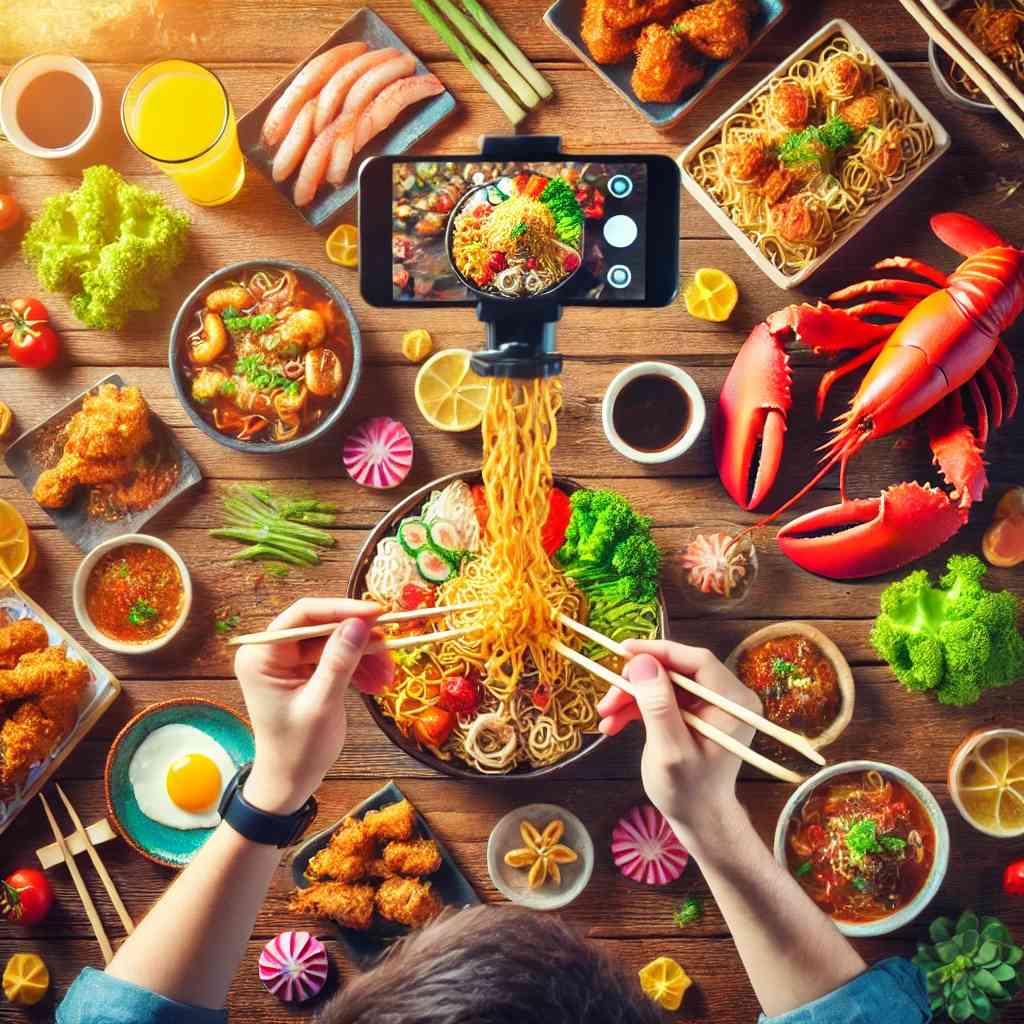
Mukbang: The Eating Show Phenomenon
I’ve always thought eating was supposed to be a private experience. You sit down, grab a plate, and try not to make a mess of yourself. But apparently, I’ve been doing it all wrong because the internet has turned eating into a spectator sport—and people can’t get enough of it.
Enter Mukbang, a South Korean trend that’s taken over YouTube and social media, where people record themselves eating enormous amounts of food while chatting with their audience. And when I say enormous, I mean seafood platters that could feed a small village, mountains of spicy noodles, and entire rotisserie chickens—all disappearing into a single person’s stomach.
At first, I didn’t get it. Why would anyone want to watch someone else eat? But then, one day, I found myself watching a Mukbang ASMR video, listening to someone slurp noodles in high-definition audio, and I realized… I couldn’t look away.
What is Mukbang ASMR?
Mukbang (pronounced “mook-bong” or “muk-bang,” depending on who you ask) started in South Korea in the early 2010s. The word itself combines “muk-ja” (which means “eating”) and “bang-song” (which means “broadcast”). The concept? A one-person eating show, often streamed live or uploaded to YouTube, where the host interacts with viewers while devouring massive portions of food.
But then something interesting happened. Mukbang collided with ASMR, and suddenly, eating wasn’t just about quantity—it was about sound. Enter ASMR food Mukbang, where high-powered microphones capture every crunch, slurp, and chew in crisp, spine-tingling detail. Some people love it. Others (especially those with misophonia) probably want to set their speakers on fire.
Why Do People Watch Mukbang?
This was my first question when I stumbled into this world. Why would millions of people spend hours watching strangers eat? Turns out, there are some pretty compelling reasons.
For a lot of viewers, Mukbang isn’t just about food—it’s about company. Think about it: eating is usually a social activity. Families gather around the table, friends grab dinner together, and coworkers bond over lunch. But in today’s world—where people are increasingly isolated—Mukbang creates a sense of togetherness.
Many Mukbangers interact with their audience in real-time, responding to comments, cracking jokes, and chatting like an old friend. It’s comforting, especially for those who eat alone. I’ve seen comments on videos saying things like, “I watch Mukbang during my lunch breaks so I don’t feel like I’m eating alone.”
2. Sensory Satisfaction: The ASMR Factor
Then, of course, there’s the satisfying sound experience. If you’ve ever enjoyed the crunch of a perfectly crispy French fry or the slurp of ramen, you get it. Mukbang ASMR heightens those sensations, making the sounds of eating the main event. Some fans even describe it as “food porn for the ears.”
If you don’t believe me, watch a video of someone eating honeycomb ASMR-style. The thick, gooey honey oozes as they bite in, and the mic picks up every sticky, drippy, crunchy detail. It’s oddly hypnotic.
3. Living Vicariously: Watching Instead of Eating
Here’s the weirdest part—some people watch Mukbang as a way to control their own cravings. I’ve seen comments on videos where people say things like, “Watching you eat this makes me feel full!”
It’s a form of vicarious eating—where you get the pleasure of watching someone enjoy food without actually consuming it yourself. Some people on diets even use Mukbang videos to satisfy cravings without breaking their calorie count. Others enjoy seeing foods they wouldn’t normally eat, like exotic seafood or massive plates of cheesy pasta.
The Science Behind ASMR Mukbang: Why Does It Work?
Mukbang might seem like mindless entertainment, but there’s real science behind why people love watching (and hearing) others eat.
- Dopamine Release – Just like ASMR, Mukbang can trigger dopamine, the brain’s reward chemical. Watching delicious food and hearing satisfying crunches activates the same pleasure centers as eating.
- Parasocial Relationships – Studies show that people form one-sided emotional connections with content creators. This explains why viewers feel like they “know” their favorite Mukbangers, even though they’ve never met.
- Mirror Neurons – Some researchers believe watching people eat triggers brain responses as if we’re eating ourselves. It’s like our brains are tricked into tasting the food just by watching it.
There’s still a lot of debate over the psychological effects of Mukbang—especially when it comes to eating disorders, binge eating, and food consumption habits—but the appeal is undeniable.
Is Mukbang for Everyone?
Absolutely not. Some people love ASMR Mukbang—the sounds, the visuals, the social connection. Others can’t stand it.
If you’re someone who gets irritated by loud chewing, slurping, or smacking noises, you might want to skip Mukbang ASMR videos entirely. The misophonia crowd (a.k.a. the people who can’t stand mouth sounds) might find these videos rage-inducing instead of relaxing.
And let’s be honest—some Mukbangs are just plain excessive. There’s a fine line between entertainment and full-blown food waste, and some critics argue that Mukbangers who consume absurd amounts of food are promoting unhealthy habits.
That said, plenty of Mukbang creators keep it lighthearted and engaging without going overboard. If you’re curious, start with some of the most popular ASMR food Mukbang channels, like:
- Zach Choi ASMR – Known for silent Mukbang with crisp, high-quality ASMR sounds.
- HyuneeEats – A fun personality mixed with giant food portions.
- Nikocado Avocado – Okay, maybe don’t start here unless you’re ready for drama.
Mukbang is one of those internet trends that make you wonder, “How did we get here?” But once you watch a few videos, you kind of get it. It’s social, it’s satisfying, and—if you’re into ASMR—it’s an audio experience like no other.
Some people watch for the tingles. Others watch for the comfort of eating “with” someone. And some just enjoy seeing how much food a single human can physically consume before tapping out.
Either way, Mukbang isn’t going anywhere. So whether you find it oddly satisfying or just plain odd, you can’t deny—it’s a full-on internet sensation.
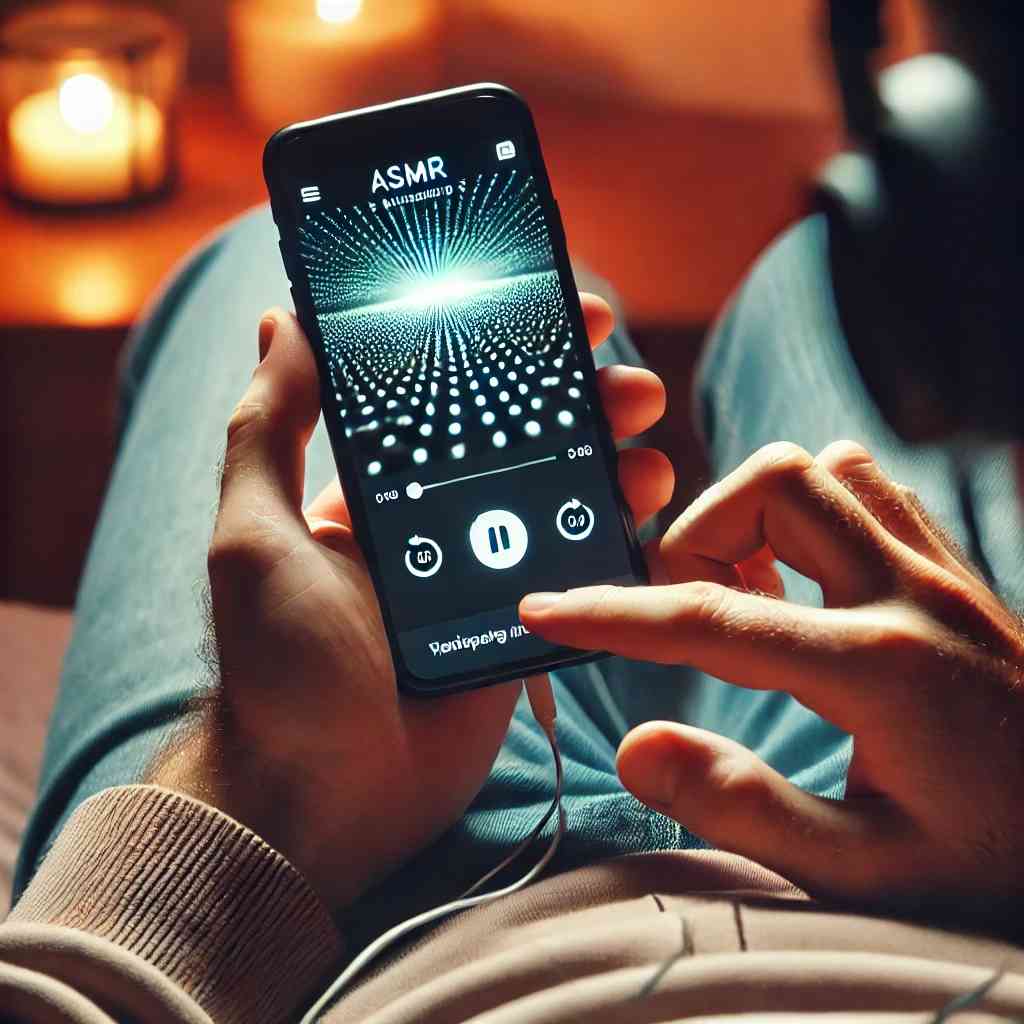
The Key Differences Between ASMR and Mukbang
At first glance, ASMR and Mukbang seem like distant cousins—both thriving in the weird and wonderful world of YouTube. But if you take a closer look (which I clearly have, thanks to many late-night deep dives), you’ll see they’re actually two very different beasts.
1. ASMR is About Sound, Mukbang is About Food
ASMR is all about triggering tingles and relaxation through soft sounds—whispering, tapping, scratching, and yes, even mouth sounds. It’s designed to soothe the brain, help with anxiety, and sometimes even put people to sleep.
Mukbang, on the other hand, is a visual and social experience. It’s not about relaxation—it’s about watching someone devour absurd amounts of food while chatting with their audience. Sure, Mukbang ASMR exists, but even then, the food is the star, not the sound.
Most ASMR videos have a slow, hypnotic pace, with whispering or soft-spoken dialogue. Even when it’s something like ASMR typing, the rhythm is designed to be soothing. Mukbang, however, is often loud, chaotic, and packed with energy—especially when the host is reacting to spicy food or engaging with their audience in real-time.
3. ASMR is for Sleep and Relaxation, Mukbang is for Entertainment
If you want to relax, sleep, or de-stress, you go for ASMR. If you want to watch someone inhale five pounds of noodles while talking about their day, Mukbang is your thing.
In short, ASMR is like a warm bath for your brain, while Mukbang is more like watching a food challenge with a friendly host. They overlap at times, but they serve very different purposes.
Exploring Popular ASMR Subgenres
If you thought ASMR was just people whispering into expensive microphones, think again. ASMR has evolved into an entire universe of oddly specific subgenres, each catering to different triggers and personal preferences. Some people crave the soft tapping of acrylic nails on glass, while others prefer the soothing repetition of a keyboard clicking away. And then there are those who love mouth sounds—which, personally, I find a little unsettling, but hey, to each their own.
Let’s dive into some of the most popular ASMR subgenres that have taken over YouTube, TikTok, and even Twitch.
1. ASMR Typing & White Noise Sounds
I never thought the sound of someone typing could be relaxing—until I found myself watching a 30-minute ASMR mechanical keyboard video at 2 a.m. There’s something oddly satisfying about fast, rhythmic typing, whether it’s a gentle laptop keyboard or a loud, clicky mechanical one.
This type of ASMR is great for people who love white noise and background sounds. Some videos even mimic office or library atmospheres, recreating the distant hum of productivity. It’s the perfect way to trick your brain into thinking you’re getting things done—without actually doing anything.
Want to see what I mean? Just search for ASMR typing on YouTube, and you’ll find endless variations, from rapid-fire coding ASMR to slow, deliberate typing with soft-spoken commentary.
2. ASMR Mouth Sounds & Their Appeal
Now, this is where things get divisive. Some people love ASMR mouth sounds—the soft smacking, tongue clicking, and gentle lip movements that create a strangely hypnotic effect. Others (including me) feel like they’re listening to someone eat with their mouth open at an uncomfortably close range.
But there’s a reason mouth sounds are so popular. They trigger deep, immersive ASMR tingles and create an almost intimate experience for the listener. If you’re new to this, start with something light, like soft whispering ASMR, before diving into full-on ear-to-ear mouth sounds. You’ve been warned.
3. ASMR Roleplay & Persona-Based Content
If you thought ASMR was just about sound, think again. Some of the most popular ASMR videos involve full-on roleplay scenarios, where creators pretend to be doctors, spa attendants, barbers, or even personal assistants.
One of the biggest trends in this space is ASMR Mom, where the creator takes on the role of a nurturing, comforting mother—tucking you into bed, making you tea, or simply whispering reassuring words. It sounds weird, but for people who find comfort in personal attention triggers, these videos can be deeply relaxing.
Other roleplay subgenres include:
- Medical ASMR (doctor checkups, cranial nerve exams, ear cleaning)
- Haircut & Barber ASMR (scissors snipping, shampoo sounds)
- Flight Attendant ASMR (the most calming in-flight service you’ll ever experience)
4. Sensual ASMR & Erotic Triggers
Alright, let’s talk about the other side of ASMR. Some ASMR creators lean into sensual ASMR, using soft whispers, breathy voices, and suggestive roleplays that blur the line between relaxation and, well… something else.
This is where keywords like “naughty ASMR” and “sensual ASMR” come into play. While most ASMR is strictly about relaxation, some creators cater to a more intimate audience—offering content that mimics the feeling of close personal interaction.
Because of this, YouTube has cracked down on explicit ASMR, demonetizing videos that cross into suggestive territory. As a result, many creators have moved to Patreon and OnlyFans, where they can create uncensored ASMR content without worrying about platform restrictions.
ASMR Subgenres- My Thoughts
The beauty of ASMR is that there’s something for everyone. Whether you’re into the rhythmic sound of typing, the immersive experience of roleplay ASMR, or even the more sensual side of things, there’s a whole world of content waiting for you.
If you’re new to ASMR, start with a gentle whispering video or some classic tapping sounds. If you already know what you like, exploring different subgenres might help you find new triggers that work even better. Either way, there’s no shortage of content out there—so get comfy, throw on some headphones, and see what all the fuss is about.
The Business & Marketing of ASMR & Mukbang
If you’d told me a decade ago that whispering into a microphone or eating an absurd amount of ramen could be a million-dollar business, I would have laughed. Yet here we are, with top ASMR artists and Mukbang creators making more money than some CEOs—all by tapping on objects and slurping noodles.
So how exactly do ASMR and Mukbang creators turn these quirky internet trends into full-time careers? Let’s break it down.
1. How ASMR and Mukbang Creators Make Money
If you’ve ever seen an ASMR video with perfect sound quality and high-end lighting, you can bet the creator isn’t doing it for fun—they’re running a profitable business. There are several ways these creators make money, including:
- YouTube Ad Revenue – With millions of views per video, ad placements alone can bring in thousands of dollars per month. However, YouTube’s strict monetization policies mean that “sensual ASMR” and extreme Mukbang videos often get demonetized.
- Brand Sponsorships – ASMR artists partner with sleep aid companies, beauty brands, and tech companies, while Mukbangers land deals with food brands, restaurants, and delivery services. If you’ve ever watched an ASMR Glow video, you’ve probably seen her whispering about a skincare product mid-video.
- Patreon & OnlyFans – Many ASMR creators, especially those in the sensual ASMR niche, use Patreon and OnlyFans to provide exclusive, unfiltered content for paying subscribers.
- Live Streaming Donations – Mukbang creators often stream live on platforms like Twitch or TikTok, where viewers send them “gifts” and donations as they eat and chat. Some Mukbangers make thousands per stream, just by hanging out and eating their favorite foods.
2. ASMR’s Influence on Product Marketing
Brands have quickly caught on to the power of ASMR. In recent years, companies like IKEA, Michelob Ultra, and Lush have used ASMR-based advertising to create immersive, sensory-driven commercials.
The reason? ASMR triggers relaxation and deep engagement, making people more receptive to marketing messages. Research has shown that ASMR reduces stress and increases focus, which means audiences are more likely to pay attention to a whispered ad than a traditional one.
Some brands have even launched ASMR product experiences, like Apple’s silent keyboard typing ads and KFC’s crispy chicken commercials—because apparently, the sound of fried chicken being crunched into a microphone is enough to make people hungry.
3. The Future of ASMR & Mukbang Content
As technology evolves, so does the ASMR and Mukbang industry. Here’s where things are headed:
- Virtual Reality ASMR – Imagine 3D immersive ASMR where you feel like you’re inside the video, with sound surrounding you from all directions. VR headsets are making this a reality.
- AI-Generated ASMR Videos – Some creators are already experimenting with AI-generated ASMR voices, making it possible to create custom ASMR experiences without even recording audio.
- 3D Binaural Sound Technology – The next generation of ASMR microphones will provide even more realistic soundscapes, making personal attention ASMR feel even more immersive.
–
What started as niche internet trends have turned into multi-million-dollar industries, with top creators making six and even seven figures. Whether it’s through sponsorships, live streams, or branded content, ASMR and Mukbang have proven that people will pay good money for soothing sounds and satisfying food experiences.
And if this article has taught me anything, it’s that I should probably start recording my nightly snacks and whispering into a microphone—because apparently, that’s where the money is.
–
References & Resources
I did quite a bit of reading to write this article. Please find below links to the resources I used.
ASMR and Relaxation: A study published in PLOS ONE found that ASMR videos can lead to reduced heart rates and increased skin conductance levels, indicating a state of relaxation. (PLOS ONE Study)
ASMR and Mental Health: Research highlighted by UCLA Health suggests that many individuals use ASMR videos to alleviate anxiety and improve sleep quality. (UCLA Health Research)
Mukbang and Social Connection: A scoping review in the International Journal of Mental Health and Addiction indicates that viewers engage with Mukbang content for social reasons, entertainment, and as a form of escapism. (Springer Review)
Mukbang and Health Concerns: Studies have raised concerns about the potential health implications of Mukbang, including links to obesity and disordered eating behaviors. (PMC Study)
ASMR and Sensory Processing: An article from Healthline explains that ASMR triggers a tingling sensation in response to specific auditory or visual stimuli, contributing to relaxation and stress reduction. (Healthline Article)
ASMR and Brain Activity: Research discussed by Frontiers in Neuroscience explores how ASMR videos can influence brain function, potentially improving mood and alleviating symptoms of insomnia and depression. (Frontiers in Neuroscience Study)
Mukbang and Psychological Effects: An article from Psychology Today discusses how excessive viewing of Mukbang videos may serve as a coping mechanism for loneliness but could also lead to problematic behaviors. (Psychology Today, Article)