
Let me tell you, nothing ruins a lazy Saturday morning faster than waking up to the unmistakable sound of a dog with an upset stomach. If you’ve ever had to sprint across the house, desperately searching for a roll of paper towels while yelling, “No, not the rug!”—then you know exactly what I mean.
My labrador, Max, has a stomach about as sensitive as my teenage daughter when I suggest she wears a jacket. One wrong treat, and suddenly, I’m Googling what can I give my dog for diarrhea at 2 AM like a man on a mission. But don’t worry—I’ve learned a few tricks along the way. Whether you’re wondering why does my dog have diarrhea or what to feed a dog with diarrhea, I’ve got you covered. Let’s fix this messy situation, fast!
Common Causes of Diarrhea in Dogs: Why Your Pup’s Stomach is a Mess
If there’s one thing I’ve learned from raising kids and owning a labrador, it’s that both will eat things they absolutely shouldn’t. My son once thought it was a good idea to microwave a chocolate bar inside its wrapper, and my dog, Max? He has a particular taste for socks, old tennis balls, and—on one unfortunate occasion—half a cheeseburger he fished out of the bin. Unsurprisingly, both scenarios ended with a mess.
So, what causes diarrhea in dogs? The list is long, but here are some of the biggest culprits.
1. Dietary Indiscretion (a.k.a. Eating Something They Shouldn’t)
Dogs have a terrible habit of treating the world like an all-you-can-eat buffet. Whether it’s table scraps, garbage, or random objects that absolutely aren’t food, one bad snack can send them straight into a digestive meltdown. And yes, does cheese cause diarrhea in dogs? It can, especially for lactose-intolerant pups.
2. Sudden Diet Changes
Switching dog food too quickly is a recipe for disaster. If you’re introducing a new diet, always transition gradually over a week to avoid an upset stomach.
3. Food Intolerances and Allergies
Some dogs react poorly to common ingredients like chicken, beef, wheat, or dairy. If your pup has frequent stomach troubles, you might want to consider an elimination diet or a vet consultation.
4. Parasites, Infections, and Medical Conditions
Giardia, hookworms, and bacterial infections like Salmonella can all lead to diarrhea. More serious conditions like pancreatitis or inflammatory bowel disease (IBD) could also be the root cause. If your dog has diarrhea for 3 days or longer, a vet visit is essential.
5. Stress and Anxiety
Believe it or not, dogs get stress diarrhea just like humans. Moving houses, introducing a new pet, or even a loud thunderstorm can trigger stomach issues.
6. Medications and Toxins
Certain antibiotics, painkillers, and NSAIDs can cause digestive upset. And if your dog has ingested toxins like chocolate, grapes, or artificial sweeteners, diarrhea is often an early warning sign of something more serious.
If you’re dealing with a messy situation right now, don’t worry—I’ve got plenty of what home remedy can I give my dog for diarrhea suggestions coming up next.

Quick At-Home Remedies to Stop Dog Diarrhea
If you’re reading this, chances are you’re standing in your kitchen, staring at your dog like a detective trying to piece together a crime scene. Maybe there’s a guilty-looking pup in the corner, or perhaps you’ve already Googled what can I give my dog for diarrhea ten times today. Either way, you need answers—and fast.
Luckily, most cases of diarrhea in dogs can be managed at home with a few simple remedies. Here’s what I’ve found works best when Max decides to treat himself to a questionable snack.
1. Give Their Stomach a Break (Fasting for 12-24 Hours)
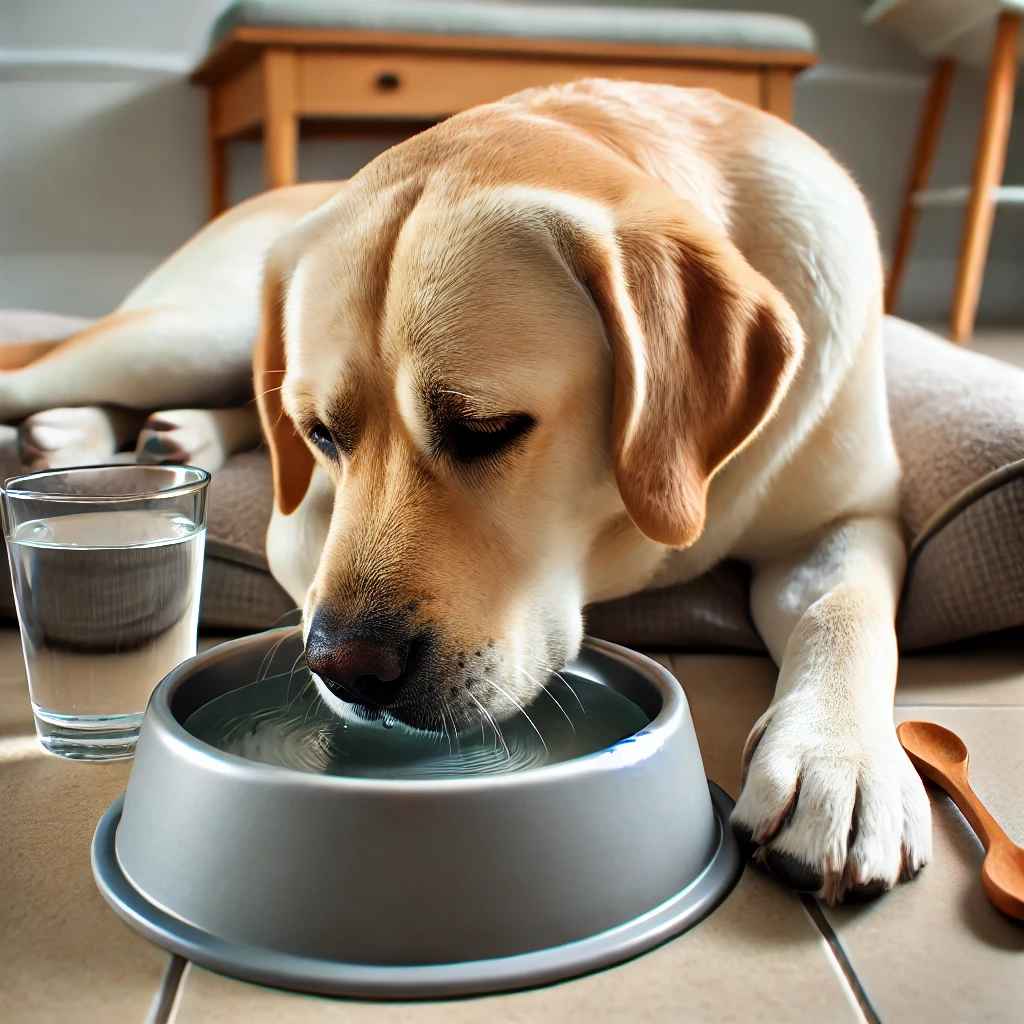
The first rule of a dog with an upset stomach? Stop the food, not the water. Fasting for 12-24 hours can help clear out whatever is causing the issue while giving the digestive system time to reset. This isn’t cruel—vets actually recommend it for mild cases of diarrhea. Just make sure your dog is still drinking plenty of water to avoid dehydration.
2. Keep Them Hydrated (Because Nobody Wants a Dehydrated Dog)
Diarrhea can quickly lead to dehydration, especially in smaller dogs. If your pup isn’t drinking on their own, try offering ice cubes, diluted electrolyte solutions like Pedialyte, or even some homemade bone broth for extra nutrients. If they still refuse, you might need to use a syringe (without the needle) to slowly get fluids into their mouth.
To check for dehydration, try the skin tent test: Gently pinch the skin on the back of your dog’s neck—if it takes more than a second to snap back, they need fluids ASAP.
3. The Pumpkin Trick: Nature’s Fiber Fix
Ever heard someone say does pumpkin help a dog with diarrhea? It does! Pumpkin (plain, not the sugary pie filling) is packed with soluble fiber, which helps absorb excess liquid in the intestines. A spoonful for smaller dogs and up to a few tablespoons for larger breeds can work wonders.
If you don’t have pumpkin on hand, sweet potatoes or mashed carrots can do the trick as well.
4. The “Bland Diet” (Boiled Chicken & Rice to the Rescue)
If you’ve ever had food poisoning, you know how much you appreciate a bland meal. Dogs are no different. After fasting, start reintroducing food slowly with a boiled chicken and rice diet—no seasoning, no oil, just plain, easy-to-digest food.
Here’s how I do it:
- Day 1: 75% rice, 25% chicken
- Day 2: 50% rice, 50% chicken
- Day 3: 25% rice, 75% chicken
- Day 4: Gradually reintroduce their regular food
If you’re looking for alternatives, plain boiled turkey, scrambled eggs, or plain mashed potatoes (no butter or milk) can also be used.
5. Probiotics & Yogurt: Restoring Gut Balance
After a bad bout of diarrhea, your dog’s gut bacteria are probably in worse shape than my fridge after my teenagers raid it. Probiotics help replenish the good bacteria and get digestion back on track.
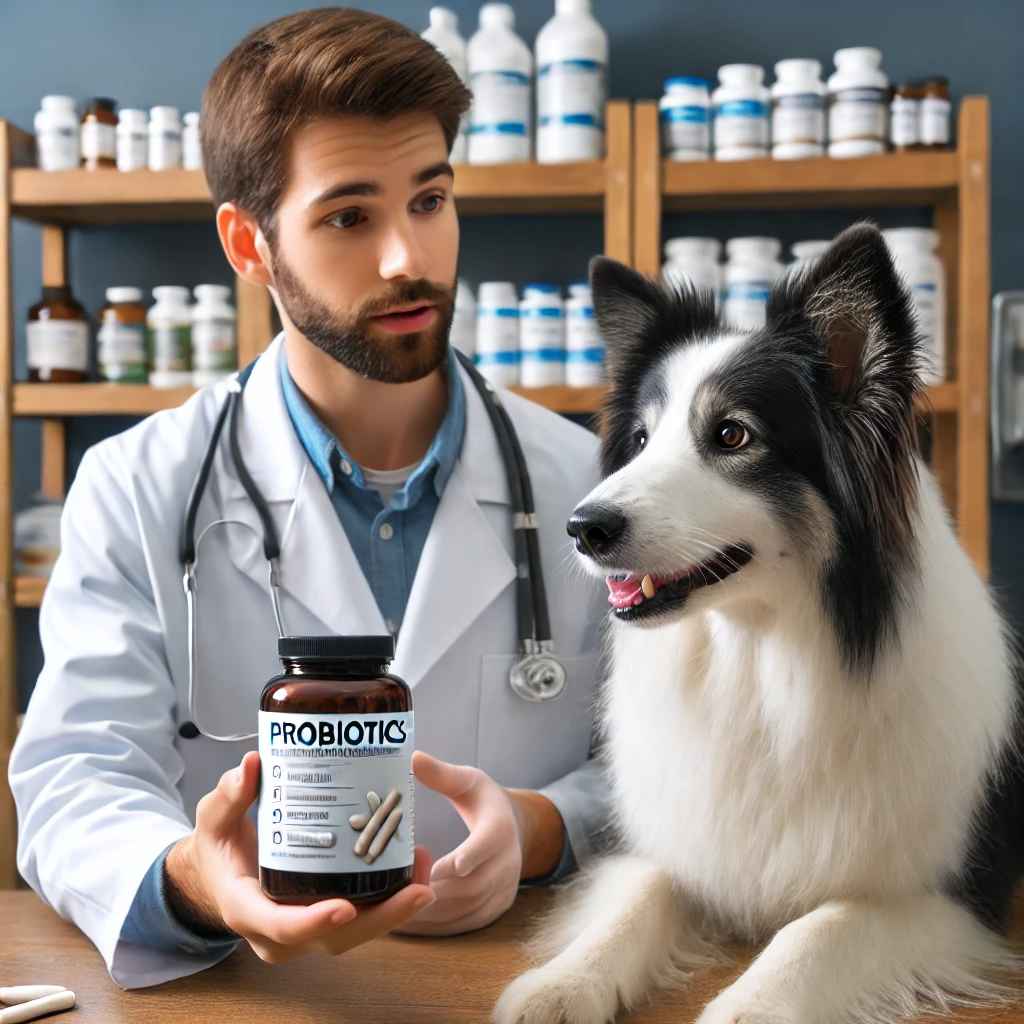
You can use plain unsweetened yogurt (a teaspoon for small dogs, a tablespoon for large dogs) or a vet-approved probiotic supplement like Purina FortiFlora or Pro-Pectalin.
6. Kaolin & Activated Charcoal: Old-School But Effective
You might have heard of kaolin for diarrhea in dogs—it’s been used for years to soothe digestive issues by absorbing toxins and excess water in the gut. Many anti-diarrhea liquids for dogs contain kaolin and pectin, which work similarly to human diarrhea meds.
Activated charcoal is another option, especially if you suspect your dog ate something toxic. However, always consult your vet before using it, as too much can interfere with nutrient absorption.
7. When Home Remedies Aren’t Enough
If diarrhea lasts more than 48 hours, gets worse, or you notice symptoms like blood in the stool, vomiting, or lethargy, it’s time to call the vet. Some cases may require prescription diarrhea medication for dogs, like Metronidazole or Tylosin.
But for mild cases? These home remedies have saved me (and my carpets) more times than I can count. Now, let’s talk about when to bring out the big guns—medications.
Over-the-Counter Medications for Dog Diarrhea: What’s Safe and What’s Not
There comes a point in every dog owner’s life when they stare at their medicine cabinet and wonder, Can you give a dog Imodium? or Will Pepto-Bismol fix this mess? If you’ve reached that stage, let’s talk about what’s safe, what’s not, and when to just call the vet.
1. Pepto-Bismol: Can Dogs Take It?
Yes, but with caution. Pepto-Bismol (bismuth subsalicylate) can help with mild diarrhea in dogs, but it’s not recommended for long-term use. Some vets give the green light for small doses (a teaspoon per 10 pounds of body weight), but others warn against it because it contains salicylates, which can cause stomach ulcers in some dogs.
Also, fun fact—Pepto can turn your dog’s poop black, which looks terrifying if you aren’t expecting it.
2. Imodium (Loperamide): A Risky Choice
If you’re thinking about using Imodium for dog diarrhea, proceed with extreme caution. While it can slow things down, some dogs—especially herding breeds like Collies—can have severe neurological reactions to it. If your vet approves it, the typical dosage is 0.1 mg per kg, but personally, I’d rather stick to safer options.
3. Kaolin & Pectin: A Vet-Approved Remedy
If you want a gentler alternative, kaolin-based anti-diarrhea liquids for dogs are a good bet. These work by coating the stomach and absorbing excess fluid, helping to firm up stools naturally. Brands like Pro-Pectalin or Kaopectate (the dog-safe formula, not the human one) are often recommended by vets.
4. Prescription Options: When Home Remedies Aren’t Enough
If diarrhea persists for more than 48 hours, your vet might prescribe Metronidazole, Tylosin, or Sulfasalazine—all of which target bacterial infections or inflammation in the gut.
At the end of the day, meds should always be a last resort. If you’re ever in doubt, call your vet before reaching for your own medicine cabinet. Now, let’s talk about when diarrhea is a sign of something more serious.
When to Call the Vet: Signs Your Dog’s Diarrhea is More Than Just a Bad Meal
I’ve dealt with enough of Max’s stomach troubles to know that most cases of diarrhea in dogs clear up within a day or two. But sometimes, it’s a sign that something more serious is going on. So, how do you know when to wait it out and when to grab the phone?
1. Diarrhea Lasting More Than 48 Hours
If your dog has diarrhea for 3 days or longer, it’s time to call the vet. Persistent diarrhea can lead to dehydration and nutrient loss, which can quickly become dangerous, especially for puppies or senior dogs.
2. Blood in the Stool
Bright red blood could mean irritation in the lower intestine, while dark, tarry stools may indicate internal bleeding. Either way, don’t play vet at home—this one requires professional help.
3. Lethargy, Vomiting, or Fever
If your dog is acting sluggish, refusing food, vomiting, or running a fever, it’s not just a mild stomach upset. These could be signs of an infection, pancreatitis, or even poisoning.
4. Recurring or Chronic Diarrhea
If your dog has frequent bouts of diarrhea, food allergies, parasites, or inflammatory bowel disease could be the cause. Your vet may recommend allergy testing, stool analysis, or even an ultrasound to figure out what’s going on.
At the end of the day, trust your gut—if something feels off, call the vet. It’s better to overreact than to wish you had acted sooner.
Preventing Future Episodes of Dog Diarrhea
After dealing with one too many dog diarrhea disasters, I’ve learned that prevention is the real MVP. Cleaning up after Max is bad enough, but the stress of wondering why does my dog have diarrhea again? is even worse. If you want to keep your pup’s stomach happy and your carpets safe, here’s what works.
1. Transition Foods Slowly
Dogs have sensitive stomachs, and switching food too fast is like swapping out your usual coffee for a triple espresso—things will not go well. If you’re changing brands or introducing a new diet, gradually mix the new food with the old one over 7-10 days. This helps their gut adjust and reduces the risk of a messy surprise.
2. Stick to High-Quality Dog Food
Not all dog food is created equal. Low-quality brands often contain fillers like corn, soy, and artificial preservatives that can upset digestion. Look for real meat as the first ingredient and avoid foods packed with mystery ingredients. If your dog has frequent stomach issues, limited-ingredient diets or grain-free options may help.
3. Keep Toxic Foods & Garbage Out of Reach
Max is a master of sneaky food theft. If he sees a plate left unattended, he assumes it’s a free buffet. Common human foods that can trigger diarrhea include:
- Dairy products (yes, cheese can cause diarrhea in dogs)
- Fatty or spicy foods
- Grapes, onions, chocolate, and artificial sweeteners (which can be toxic)
- Raw or undercooked meats that may contain bacteria
If your dog is a trash-diver, invest in a dog-proof bin—it’ll save you from unexpected vet visits.
4. Regular Deworming & Vet Checkups
Parasites like Giardia and roundworms can lead to chronic diarrhea. Even if your dog seems fine, regular deworming and fecal tests can catch hidden issues before they become a problem.
5. Probiotics & Digestive Support
If your dog has a sensitive stomach, probiotics and digestive enzymes can help keep their gut balanced. Adding plain yogurt, pumpkin, or a vet-approved probiotic supplement to their diet may reduce future episodes of diarrhea.
6. Manage Stress & Anxiety
Believe it or not, stress can mess with your dog’s digestion just like it does with ours. If your dog’s stomach acts up during big changes—like moving houses or adding a new pet—try keeping a consistent routine, using calming supplements, or increasing exercise to help them feel secure.
A little prevention goes a long way. Trust me, your dog (and your floors) will thank you.
Final Tips
Dealing with diarrhea in dogs isn’t fun for anyone—especially not for the poor soul scrubbing the floors at 2 AM. But now that you know what causes diarrhea in dogs, how to treat it, and when to call the vet, you’re prepared for whatever stomach disaster your pup throws your way.
To recap:
- Mild cases can often be managed with fasting, hydration, and what to feed a dog with diarrhea—like plain rice, boiled chicken, or pumpkin.
- Medications like Pepto-Bismol or Imodium should only be used with a vet’s approval.
- If your dog has diarrhea for 3 days or shows serious symptoms (like blood in the stool or extreme lethargy), don’t wait—call the vet.
Finally, prevention is key. A high-quality diet, probiotics, and keeping them away from trash and toxic foods can save you from another messy situation. Trust me, your future self will thank you.
Research & References
To ensure this guide provides accurate and trustworthy information, I’ve referenced reputable veterinary sources, scientific studies, and expert opinions. Below are some key resources that helped shape the content, along with additional links for further reading.
Veterinary & Medical Sources
- American Kennel Club (AKC) – Dog Diarrhea: Causes and Treatment – A comprehensive guide on the common causes and remedies for dog diarrhea.
- VCA Animal Hospitals – Diarrhea in Dogs – Covers symptoms, potential causes, and when to seek veterinary help.
- PetMD – Dog Diarrhea Causes and Treatment – A detailed breakdown of different types of diarrhea and treatment options.
Studies & Research on Canine Digestive Health
- Raw Feeding Vetinary Society – Effects of Dietary Fiber (Pumpkin) on Dog Digestion – Article on how Pumpkin (fiber) helps regulate digestion in dogs.
- Use of Probiotics in Dogs with Gastrointestinal Issues – Research on how probiotics can help maintain gut health.
- Canine Parvovirus and Gastrointestinal Diseases – Information on when diarrhea could indicate a viral or bacterial infection.
Recommended YouTube Videos for Visual Guides
- How to Treat Dog Diarrhea at Home – A vet explains home remedies and when to seek professional help.
- Signs of Dehydration in Dogs – A step-by-step guide to checking if your dog is dehydrated.
- Dog First Aid: Treating Digestive Upset – Covers emergency treatments and safe over-the-counter options.