
My Journey into the World of Traditional Korean Food
I’ll be honest—before my first real Korean dinner, my idea of Korean food was limited to instant ramen and whatever looked spicy on a takeout menu. But all that changed when a friend dragged me to an authentic Korean BBQ joint, and I realized I’d been missing out on a world of traditional Korean dishes packed with bold flavors, fermented magic, and some of the best comfort food on the planet.
Korean cuisine isn’t just about spice (though trust me, some dishes will test your limits). It’s about balance—sweet, salty, sour, and umami all dancing together. Whether it’s sizzling bulgogi, bubbling kimchi jjigae, or a beautifully arranged bibimbap, there’s a dish for every craving. So, if you’re ready to explore a list of Korean food that goes beyond your usual takeout
What Makes Traditional Korean Food So Unique?
If you’ve ever sat down for an authentic Korean food experience, you know it’s not just about eating—it’s an event. Dishes arrive in a colorful spread, small plates (banchan) fill every inch of the table, and before you know it, you’re wrapping meat in lettuce like a pro. But what exactly makes traditional Korean dishes stand out?
1. A Perfect Balance of Flavors
Korean food is all about contrast. Sweet meets spicy, savory meets tangy, and somehow, it all works. Take bulgogi, for example—a dish where thinly sliced beef is marinated in a mix of soy sauce, sugar, garlic, and sesame oil, creating an irresistible balance of umami and sweetness. Even the legendary kimchi, with its bold, fermented tang, complements almost everything.
2. Fermentation: The Secret Superpower
Fermentation isn’t just a trend in Korea; it’s a way of life. From doenjang (fermented soybean paste) to gochujang (spicy chili paste), many Korean staples undergo months of aging, creating deep flavors and gut-friendly probiotics. Studies have even linked kimchi’s probiotics to improved digestion and immune health, making it one of the healthiest Korean dishes to try.
3. Rice at the Heart of Every Meal
A Korean dinner isn’t complete without rice. Whether it’s mixed in a steaming bowl of bibimbap or paired with a hearty stew like sundubu-jjigae, rice is the comforting backbone of Korean cuisine. Some of the most beloved Korean food with rice dishes include gimbap (seaweed-wrapped rice rolls) and japchae, a stir-fry of glass noodles and veggies often served alongside white rice.
Forget individual plates—Korean food is meant to be shared. Large communal servings, a table full of traditional Korean recipes, and a grill in the center of the table make every meal feel like a family gathering. It’s the kind of dining experience that turns strangers into friends and friends into people who now know how loudly you chew.
From the rich, umami-packed flavors to the health-boosting fermented ingredients, Korean dinner ideas offer something for everyone. And once you start exploring, you’ll wonder why you ever settled for instant ramen in the first place.
Must Try Traditional Korean Dishes
There’s a reason authentic Korean food has taken the world by storm. It’s bold, packed with umami, and offers everything from soul-warming stews to fiery street food. If you’re new to traditional Korean dishes, knowing where to start can feel overwhelming. But don’t worry—I’ve done the eating (and sweating) for you.
Here are some Korean dishes to try that will turn you into a full-fledged fan of this incredible cuisine.
1. Kimchi (김치) – The Icon of Korean Cuisine
You can’t talk about Korean food without mentioning kimchi. This spicy, fermented cabbage is the backbone of Korean meals, adding a punch of flavor to almost anything. There are over 200 varieties, including radish kkakdugi and white baek-kimchi, which ditches the chili for a milder taste.
Beyond flavor, kimchi is packed with probiotics that promote gut health. In fact, research from the Journal of Medicinal Food suggests that regular kimchi consumption can improve digestion and even boost the immune system.

Try it: If eating it straight feels too intense, start by adding it to fried rice or a hot bowl of kimchi jjigae, a bubbling stew that takes comfort food to the next level.
2. Bibimbap (비빔밥) – The Ultimate Korean Rice Bowl
Imagine a bowl of warm rice topped with sautéed vegetables, a fried egg, and sliced beef, all brought together with a generous spoonful of gochujang (Korean chili paste). That’s bibimbap, and it’s one of the best Korean food with rice options out there.
There are many variations, including dolsot bibimbap, served in a sizzling stone bowl that crisps up the rice at the bottom—arguably the best part.

Try it: Mix everything together until it’s a colorful mess and eat while it’s still hot. Trust me, you won’t regret it.
3. Bulgogi (불고기) – Korean BBQ at Its Best
If you love a good barbecue, bulgogi is a must-try. This dish features thin slices of marinated beef grilled to perfection, typically served with lettuce wraps, garlic, and spicy ssamjang (a thick soybean paste sauce).
The secret is in the marinade—a mix of soy sauce, sesame oil, garlic, and sugar, giving the meat a sweet-savory balance that’s impossible to resist.
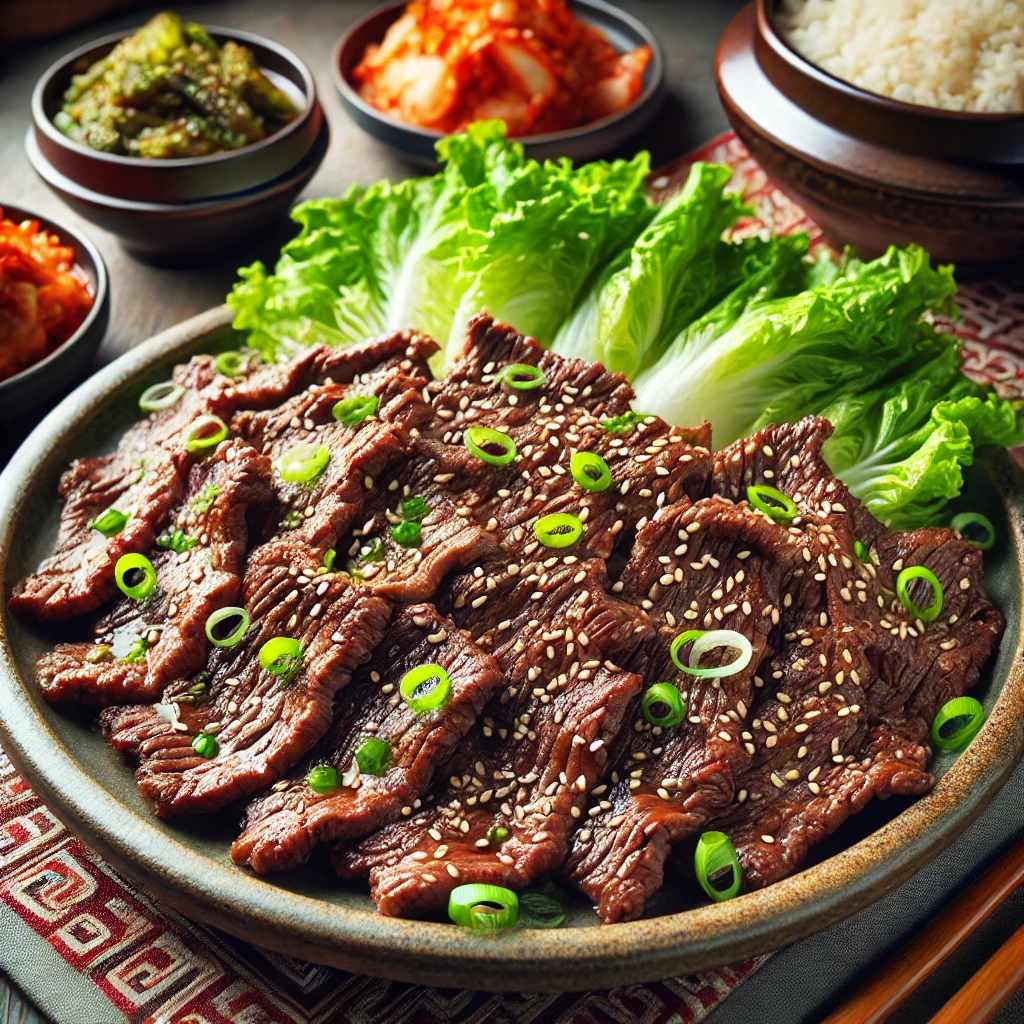
Try it: Head to a Korean BBQ spot where you can grill it yourself for the full experience.
4. Japchae (잡채) – Korea’s Take on Stir-Fried Noodles
Japchae is a dish of stir-fried sweet potato glass noodles mixed with vegetables, soy sauce, and sesame oil. Traditionally, it’s served during special occasions, but honestly, it’s too good to eat only once in a while.
The noodles have a uniquely chewy texture, and when combined with mushrooms, carrots, and marinated beef, you get a dish that’s both light and satisfying.
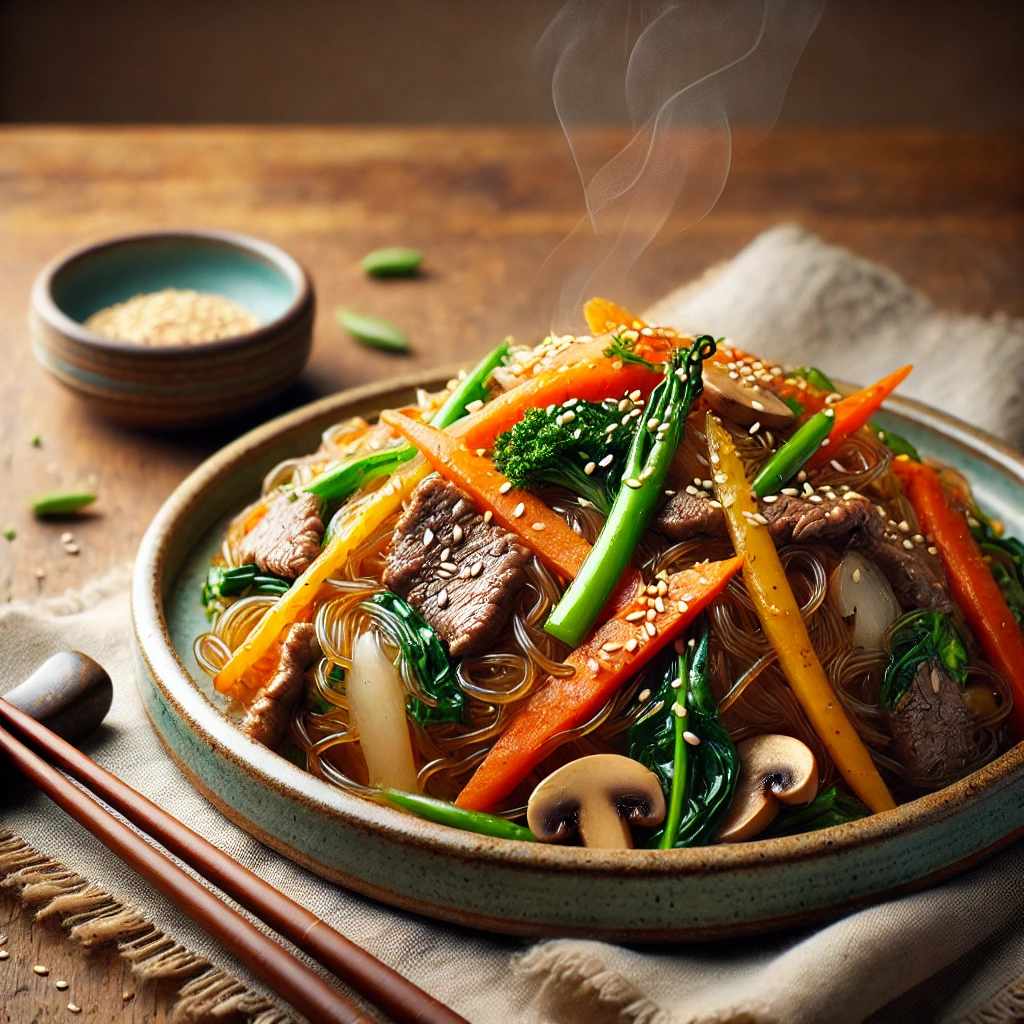
Try it: It’s a great option if you’re looking for a non-spicy Korean dinner dish that’s packed with flavor.
5. Tteokbokki (떡볶이) – Spicy, Chewy, and Addictive
You haven’t truly experienced Korean street food until you’ve had tteokbokki. These chewy rice cakes are coated in a bright red, spicy-sweet sauce made from gochujang and gochugaru (chili flakes).
Despite its fiery reputation, it’s surprisingly comforting, and the texture of the rice cakes is what keeps people coming back for more.

Try it: If you’re not a fan of spice, try the milder soy-based version called ganjang tteokbokki.
6. Samgyetang (삼계탕) – The Powerhouse Chicken Soup
Think of samgyetang as Korea’s answer to chicken noodle soup—but with a health boost. This ginseng-infused chicken stew is typically eaten in the summer to fight fatigue, following the belief that eating hot food helps regulate body temperature.
The dish features a whole young chicken stuffed with rice, jujube, garlic, and ginseng, simmered until the broth is rich and milky.

Try it: Perfect for when you need something comforting and nourishing. It’s also a great introduction to Korean traditional food if you’re not a fan of spice.
7. Sundubu-jjigae (순두부찌개) – The Silkiest Tofu Stew
If you like soups that pack a punch, sundubu-jjigae is for you. This spicy, bubbling stew features soft tofu, vegetables, seafood or meat, and a raw egg cracked in just before serving.
The silky texture of the tofu combined with the deep umami of the broth makes this dish a cold-weather favorite. Plus, it’s surprisingly filling despite being low in calories.

Try it: It’s a fantastic choice for those looking for traditional Korean recipes that are both hearty and healthy.
8. Gimbap (김밥) – Korea’s Answer to Sushi
At first glance, gimbap looks like sushi, but it’s a whole different experience. Instead of raw fish, gimbap is filled with ingredients like bulgogi, pickled radish, egg, and spinach, then rolled in seaweed and sliced into bite-sized pieces.
It’s the ultimate grab-and-go snack, often packed in lunchboxes or eaten on road trips.

Try it: If you’re new to Korean dinner ideas, gimbap is a safe and delicious starting point.
Unique Korean Dishes That Are Less Commonly Discussed
Korean food isn’t all about bulgogi, bibimbap, and kimchi. If you really want to dive into authentic Korean food, you need to step outside your comfort zone. Some dishes are beloved by locals but rarely make it onto mainstream lists of traditional Korean dishes—probably because they’re a little, well, intense. But if you’re up for an adventure, these unique Korean foods will give you a whole new appreciation for the country’s rich culinary traditions.
1. Hongeo (홍어) – Fermented Skate Fish That Fights Back

If you thought blue cheese was an acquired taste, wait until you meet hongeo. This fermented skate fish is famous (or infamous) for its strong ammonia smell—strong enough to make your eyes water before you even take a bite. It’s often served with kimchi and boiled pork belly to balance out the intensity.
This dish is loved in Korea’s Jeolla Province, where locals swear by its unique flavor. But fair warning: even some Koreans can’t handle it. If you’re brave enough to try, do yourself a favor and don’t inhale before you chew.
2. Beondegi (번데기) – Silkworm Pupae Snack

If you’ve ever wandered through a Korean street market and caught a whiff of something nutty and slightly earthy, chances are you were near a cart selling beondegi. These little silkworm pupae are steamed or boiled, then served in a paper cup like a casual snack.
They’re high in protein and considered a nostalgic comfort food for older generations, but let’s be honest—eating bugs is still a hurdle for most of us. That said, if you’re looking for a high-protein Korean food experience, beondegi is about as natural as it gets.
Should Korean Food Adapt to Western Tastes?
Here’s a debate worth considering. As traditional Korean recipes become more popular worldwide, many restaurants tweak the flavors to appeal to non-Korean palates—less spice, less fermentation, more sugar. Some argue this makes Korean food more accessible, while purists say it waters down the experience.
Take kimchi, for example. In Korea, it’s powerfully tangy and pungent. But in Western supermarkets, you’ll often find a milder version that barely resembles the real thing. So, should Korean cuisine stay authentic or evolve for global appeal? It’s a question worth chewing on—preferably with a side of hongeo (if you’re up for it).
How to Cook Authentic Korean Food at Home
If you’ve ever been inspired to cook traditional Korean dishes at home, you’ve probably realized two things: first, Korean food is packed with incredible flavors, and second, your standard grocery store isn’t exactly stocked with gochujang and doenjang. But don’t worry—you don’t need a Korean grandma or a plane ticket to Seoul to get started.
1. Stock Up on Essential Korean Ingredients
The foundation of authentic Korean food comes down to a few key pantry staples:
- Gochujang (Korean chili paste) – Sweet, spicy, and umami-packed, this is the backbone of many dishes like bibimbap and tteokbokki.
- Doenjang (fermented soybean paste) – Think of it as miso’s funkier cousin, perfect for soups and stews like doenjang jjigae.
- Sesame oil and roasted sesame seeds – A few drops add a deep, nutty flavor to everything from marinades to stir-fries.
- Dried seaweed (gim) – Essential for making gimbap, but also great as a crunchy snack.
If your local store doesn’t carry these, try an Asian supermarket or an online retailer.
2. Start with Beginner-Friendly Korean Recipes
Not sure where to start? Here are some easy Korean dinner ideas that don’t require a chef’s degree:
- Kimchi Fried Rice – A quick way to use up leftover rice and get your kimchi fix.
- Bulgogi Beef – Marinate, grill, and serve with rice for an easy yet impressive meal.
- Japchae – Stir-fried glass noodles with veggies, simple yet packed with flavor.
For step-by-step guidance, check out Maangchi’s YouTube channel—she’s the queen of home-style Korean cooking.
3. Don’t Be Afraid to Experiment
Korean food is meant to be fun and communal, so mix and match flavors, try your hand at fermenting, and don’t panic if your first batch of kimchi smells a little too aggressive. The more you experiment, the closer you’ll get to mastering the art of traditional Korean recipes—or at least making a respectable bibimbap.
Where to Try Authentic Korean Food
As much as I love experimenting in my kitchen, sometimes you just want the real deal without the hassle of hunting down gochujang at an Asian market. If you’re looking for authentic Korean food, the good news is that great options exist outside of Korea—you just need to know where to look.
1. The Best Korean Restaurants Near You
Korean food has exploded in popularity, which means you don’t have to be in Seoul to get an incredible Korean dinner. If you’re in a major city like New York, Los Angeles, or London, you’ll find Michelin-rated Korean spots like Atomix or Jungsik. For a more casual experience, look for places run by Korean families—these often serve the most traditional Korean dishes with no shortcuts.
Want to find a great spot near you? Use Google Maps and search for “authentic Korean restaurant near me”, then filter by reviews.
2. How to Spot a Truly Authentic Korean Restaurant
- Banchan matters. A good Korean restaurant will bring out multiple small side dishes—if you only get one or two, that’s a red flag.
- The menu isn’t just Korean BBQ. Don’t get me wrong, I love bulgogi, but a true Korean restaurant will have stews, noodle dishes, and seafood options too.
- Koreans actually eat there. If the clientele is mostly Korean, you’re in the right place.
If you’re feeling inspired, check out the Michelin Guide’s list of the best Korean restaurants for a next-level food experience.
—
If there’s one thing I’ve learned on my journey into authentic Korean food, it’s that this cuisine is as much about experience as it is about flavor. From the sizzling sound of bulgogi on the grill to the punchy tang of kimchi, every dish tells a story.
Whether you’re diving into traditional Korean recipes at home or hunting down the best Korean dinner spot in town, there’s always something new to discover. And if you’re feeling adventurous, maybe give hongeo a try—just keep the windows open.
For those ready to take the next step, check out Maangchi’s YouTube channel for home-cooking tips or use the Michelin Guide to find the best traditional Korean dishes near you. Either way, one thing’s for sure: after a few good meals, you’ll never look at instant ramen the same way again.
Research and References
For those interested in diving deeper into traditional Korean dishes, their health benefits, and how to cook them authentically, here are some reputable sources, studies, and videos that helped shape this article. These resources offer expert insights, historical context, and practical guidance for anyone wanting to explore authentic Korean food beyond just ordering takeout.
1. Health Benefits of Korean Fermented Foods
- Probiotic Benefits of Kimchi – National Institutes of Health (NIH)
- Fermented Foods and Gut Health – MDPI (NIH)
2. Authentic Korean Recipes and Cooking Techniques
- Maangchi’s YouTube Channel – Traditional Korean Recipes & Tutorials
- Korean Food 101: Youtube Video – Korean Food Basics
- Bibimbap, Bulgogi, and More: Korean Recipes – Serious Eats
3. History and Cultural Significance of Korean Cuisine
- Korean Food and Culture – Korea Tourism Organization
- Origins and Evolution of Korean Cuisine – BBC Travel
4. Finding the Best Korean Restaurants Worldwide
- Michelin Guide’s Best Korean Restaurants – Michelin Guide
- Top Korean BBQ Restaurants Outside Korea – 5 Of the Best Korean Restaurants Around the World